Views: 0 Author: Site Editor Publish Time: 2025-12-12 Origin: Site
High voltage power cables are essential for efficient energy transmission. They play a critical role in reinforcing the electrical grid. As energy demand rises, these cables become more vital. They efficiently transmit electricity, reduce energy loss, and increase capacity.
In this article, we’ll explore the benefits of high voltage power cables for grid reinforcement. We’ll highlight their role in improving grid stability, supporting renewable energy, and enhancing transmission efficiency.
For durable, high-performance cables, 4E offers reliable solutions. Learn more about our products for optimal grid infrastructure.
To understand why high voltage power cables are so essential for grid reinforcement, it’s important to first understand what they are and how they work within electrical systems.
High voltage power cables are specialized electrical cables designed to carry electricity at voltages above 1,000 volts, often reaching levels of 35kV, 110kV, 220kV, or even 500kV and above. These cables are a vital part of power transmission infrastructure, used to move electricity over long distances between power plants, substations, and local distribution networks. High voltage power cables ensure that large amounts of electricity can be transmitted efficiently and safely.
Voltage Rating | Typical Applications |
35 kV | Substation connections, industrial areas |
110 kV | Regional power transmission |
220 kV | Long-distance transmission, urban grids |
500 kV | Power transmission over very long distances, national grid |
800 kV | Ultra-high voltage for large-scale energy transfer |
High voltage power cables consist of several layers: the central conductor, typically made of copper or aluminum, carries the electrical current. Surrounding this conductor is insulation, usually made from materials like XLPE (cross-linked polyethylene), which ensures that the electricity remains contained within the cable and prevents leakage. Additionally, the cable may be surrounded by shielding and an outer protective sheath to prevent environmental damage, physical wear, and exposure to harmful external factors like moisture and UV radiation.
● Conductor: The heart of the cable, made from copper or aluminum, providing the best electrical conductivity for efficient power transmission.
● Insulation: XLPE insulation provides superior dielectric strength, thermal stability, and resistance to aging, which ensures the cables can withstand high voltages without failure.
● Shielding: Protects the cable from external electrical interference, enhancing its performance in electrical grids.
● Outer Sheath: A protective layer that shields the cable from physical damage, UV radiation, moisture, and environmental stress.
High voltage power cables are essential for grid reinforcement because they ensure that electricity can be transmitted efficiently over long distances, supporting grid stability and reliability. Let’s dive deeper into their role in enhancing grid infrastructure.
One of the main advantages of high voltage power cables is their ability to reduce power loss during transmission. When electricity is transmitted at higher voltages, the current flowing through the cables is reduced. This reduction in current leads to lower resistive losses, a common issue in electrical transmission systems. Lower energy loss is particularly crucial for long-distance transmission, as it ensures that more energy reaches the destination without significant waste.
By transmitting electricity at higher voltages, high voltage power cables help minimize the energy loss that typically occurs over long distances, significantly improving the overall efficiency of the grid.
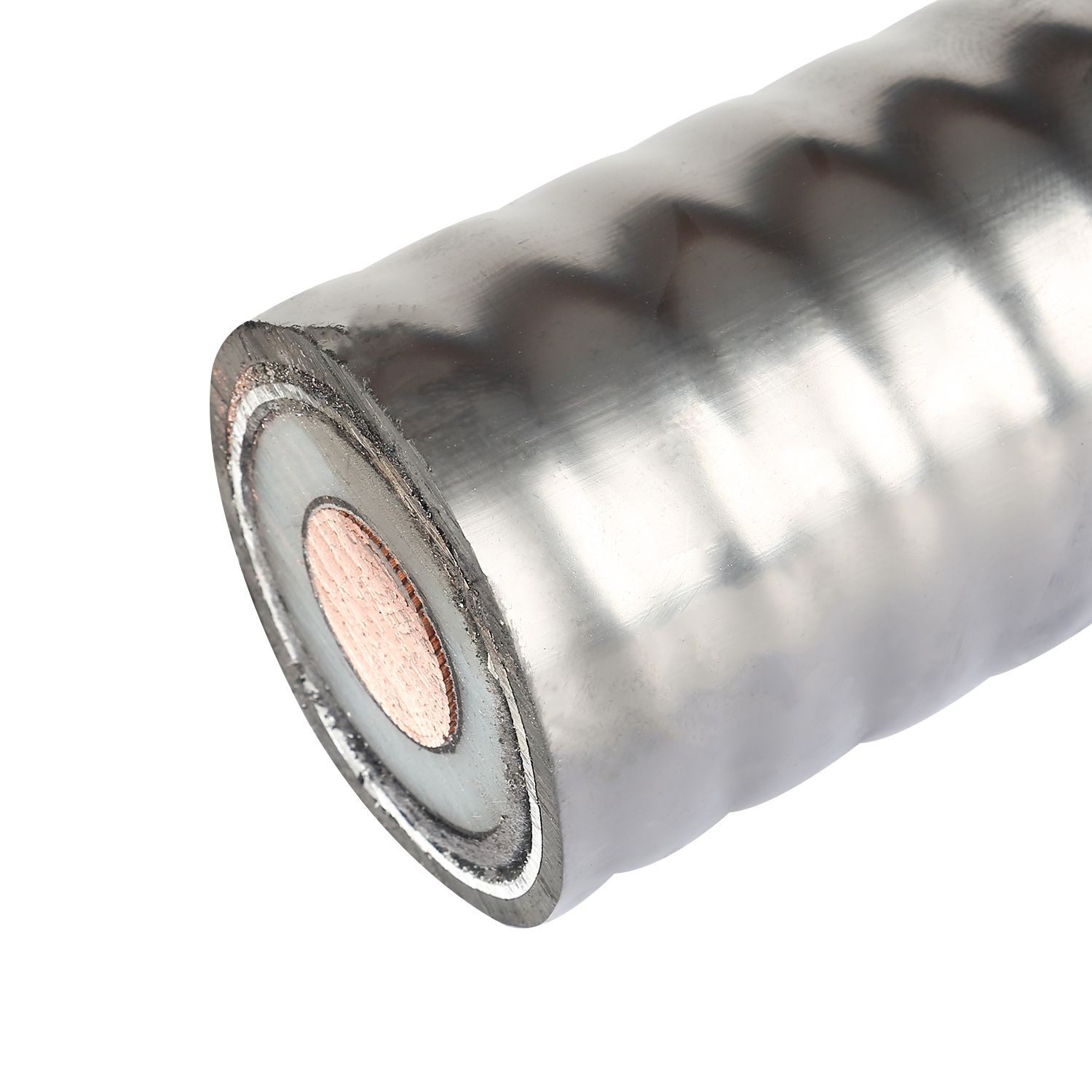
In addition to minimizing power loss, high voltage power cables are designed to carry more electrical current. Since they can transmit higher voltages without overheating or degrading, they provide greater capacity for energy transmission. This increased capacity is vital in meeting the growing demand for electricity in urban and industrial areas. It allows grids to handle more power without requiring a complete overhaul of the existing infrastructure.
Stability and reliability are two key components of a successful grid. High voltage power cables help enhance the reliability of electrical systems by ensuring that power is transmitted smoothly and without interruption. They are also instrumental in maintaining grid stability, particularly in integrating renewable energy sources like wind and solar power, which are often located in remote areas.
Incorporating high voltage power cables into grid reinforcement projects allows for better energy distribution and the ability to connect remote energy sources to urban areas. By ensuring that energy can be transmitted across long distances with minimal power loss, these cables play an essential role in maintaining grid resilience.
High voltage power cables provide a range of benefits that make them the ideal choice for grid reinforcement.
One of the primary reasons to use high voltage power cables is their ability to distribute electricity efficiently over long distances. By reducing power loss during transmission, these cables help maintain a steady and reliable flow of energy throughout the grid. This is essential for areas where electricity demand is high or where infrastructure is outdated and needs reinforcement.
These cables are not only efficient but also highly flexible when it comes to installation. They can be used for both overhead and underground installations, making them suitable for a variety of environments. Whether you’re looking to install cables in urban areas where space is limited or in areas where overhead lines aren’t possible, high voltage power cables provide the versatility needed for successful installation.
Underground cables are particularly beneficial in reducing visual clutter and protecting cables from environmental damage, while overhead installations are more suitable for large open areas with minimal obstacles.
High voltage power cables are built for durability. With materials like XLPE insulation and robust sheathing, these cables can endure harsh environmental conditions. They are resistant to moisture, temperature fluctuations, and UV radiation, which makes them ideal for both underground and overhead applications. The long lifespan of high voltage cables reduces the need for frequent repairs and replacements, providing long-term reliability for power transmission systems.
The safety benefits of high voltage power cables cannot be overstated. With advanced fire-resistant insulation and corrosion-resistant sheathing, these cables help minimize the risk of electrical faults and fires. Additionally, they are environmentally friendly, designed to comply with strict environmental standards. This makes them a safe and sustainable option for grid reinforcement.
Advantage | Description |
Efficient Power Distribution | Reduces energy loss over long distances, ensuring a steady supply of power. |
Increased Capacity | Supports higher current transmission without overheating or degradation. |
Flexibility in Installation | Suitable for both underground and overhead installations in various environments. |
Durability | Long-lasting with resistance to moisture, temperature fluctuations, and UV radiation. |
Safety and Reduced Environmental Impact | Minimizes the risk of fires and is designed to meet environmental standards. |
High voltage power cables have several important applications that directly support grid reinforcement and ensure efficient energy transmission.
High voltage cables are a critical part of power transmission networks, connecting power plants to substations and facilitating the transmission of electricity over long distances. These cables help ensure that electricity is efficiently distributed, minimizing energy loss and ensuring a stable power supply for consumers.
With the global shift toward renewable energy, high voltage power cables are essential in transmitting energy generated from wind, solar, and hydroelectric plants to the grid. These cables help connect renewable energy sources, often located in remote areas, to urban centers where the energy is needed.
In industrial settings, high voltage power cables are used to deliver stable power to factories, data centers, and other large-scale facilities. These cables ensure that electricity is available to power essential systems and machinery, supporting continuous industrial operations.
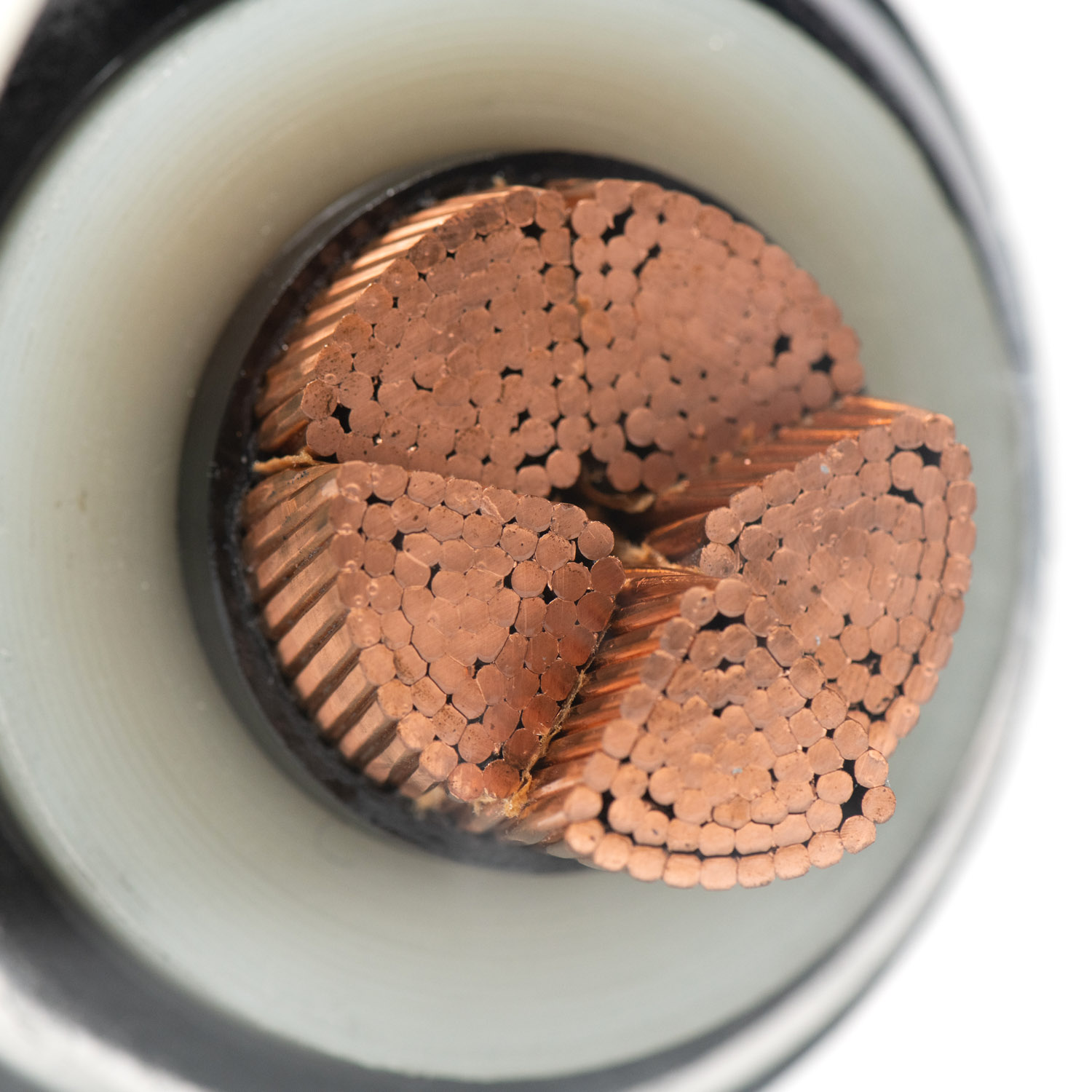
High voltage cables are particularly effective for underground and submarine installations, where other cable types may fail due to environmental factors. Their resistance to moisture, physical damage, and UV exposure ensures long-term performance in these challenging environments.
Application Area | Description |
Power Transmission Networks | Connecting power plants to substations for long-distance electricity distribution. |
Renewable Energy Projects | Facilitates the transmission of power from remote renewable energy sources to the grid. |
Industrial and Commercial Applications | Ensures stable power for large facilities like factories and data centers. |
Underground and Submarine Installations | Provides reliable power transmission in challenging environments, such as underwater or underground. |
High voltage power cables provide the foundation for reinforcing electrical grids by improving transmission efficiency and ensuring system reliability.
One of the main advantages of high voltage power cables is their ability to transmit power over long distances with minimal energy loss. This is essential for connecting remote power plants, including renewable energy sources, to the grid, ensuring that power reaches urban and industrial centers efficiently.
As urbanization and industrialization continue, energy demand is rising. High voltage power cables provide the necessary infrastructure to meet increasing energy demand in densely populated areas, ensuring that the grid can handle larger loads without compromising stability.
With high voltage power cables, grids can better accommodate fluctuations in energy supply and demand, improving flexibility and resilience. This flexibility is crucial as more renewable energy sources are integrated, helping balance energy supply with fluctuations in generation.
The demand for more efficient and reliable power transmission is pushing the development of new technologies in high voltage cables. Let’s look at some future trends that will continue to shape grid reinforcement.
Advancements in materials and insulation technologies, such as superconducting cables and improved shielding techniques, will increase the efficiency and performance of high voltage power cables. These innovations are set to reduce power loss even further, enabling grids to meet the challenges of tomorrow’s energy needs.
As smart grids become more widespread, high voltage cables will play a critical role in enabling real-time monitoring and management of electricity flow. This will improve the grid’s ability to adapt to changes in energy demand and supply, optimizing power distribution.
High voltage power cables are crucial for efficient energy transmission and grid reinforcement. They help reduce energy losses, increase transmission capacity, and enhance grid reliability. Whether used in power transmission, renewable energy integration, or industrial applications, these cables ensure that electrical grids are resilient and capable of meeting future energy demands. 4E offers high-quality power cables that provide long-lasting performance and reliability for grid reinforcement.
A: High voltage power cables are crucial for efficiently transmitting electricity over long distances, reducing energy loss, and increasing the capacity of power grids, which helps in grid reinforcement.
A: High voltage power cables enhance grid stability by providing reliable electricity transmission, supporting renewable energy integration, and ensuring consistent power supply during peak demand.
A: Compared to traditional cables, high voltage power cables reduce energy loss, handle higher currents, and offer more reliable performance for large-scale energy transmission systems.
A: High voltage power cables are essential for connecting renewable energy sources like wind and solar farms to the grid, ensuring stable and efficient power transmission.


