Views: 0 Author: Site Editor Publish Time: 2025-12-31 Origin: Site
To pick the right low voltage cable, you must think about what you need and where you will put the cable. Most low voltage wiring uses less than 50 volts. This is safe for things like security systems, communication networks, and HVAC control. You should check how much voltage and current you need. Choose the right gauge. Make sure the cable follows safety rules. Low Voltage Power Cables have thinner insulation. They also cost less to put in than high voltage cables. For the best results, keep wire leads clean. Use a hub system. Always test your setup before you bury cables. East Energy Electrical Engineering Co., Ltd. (4E) gives good low voltage cable choices for every job.
Figure out what you need the cable for before you pick one. Some cables are made for lighting, and some are for data. Each job needs a special kind of cable.
Always look at the voltage and current ratings on your devices. Make sure your cable matches these numbers. This helps keep things safe and working well.
Use a size chart to pick the right wire gauge. Thicker wires work better if you need to run them far. This stops the voltage from dropping too much.
Pick the best material and insulation for where you will use the cable. Copper cables work best if you want good performance. The right insulation keeps the cable safe from weather.
Follow all safety rules and local codes. This makes sure your wiring is safe and follows the law. It also helps stop accidents from happening.
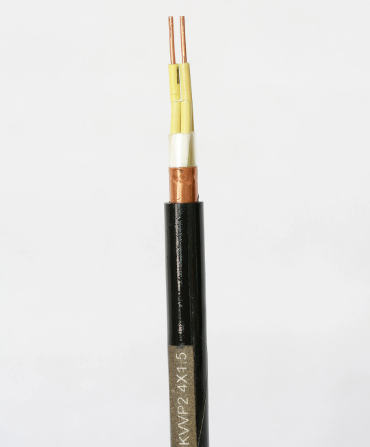
Low voltage cable helps move electricity safely. You use it for things that need less than 50 volts. These cables work well for short spaces. They help keep your devices safe from electrical problems. Low voltage power cables have strong insulation. They do not get damaged easily by weather or other things. This makes them good for homes and businesses.
Low voltage cable is used in many places. Here are some common ways people use it:
Lighting
Power distribution
Telecommunications
Security systems
Cable television
Audio systems
Low voltage power cables help keep your lights on. They make sure your security cameras work. They help your internet stay fast.
There are different types of low voltage power cables. The type you pick depends on cost, strength, and how well it works.
Tip: Always look at the material and insulation before you buy. This helps you choose the best cable for your project.
Here is a simple table showing the two main types:
Attribute | Copper Cables | Aluminum Cables |
|---|---|---|
Cost | Usually costs more because of the material | Costs less but may need a thicker cable for same results |
Durability | Lasts longer and does not rust easily | Does not last as long, rusts more |
Performance | Moves electricity better, loses less energy | Moves electricity less well, loses more energy |
Copper cables move electricity better. You lose less energy, so your devices work well.
Aluminum cables cost less and are lighter. You may need a thicker cable to work as well as copper.
Low voltage power cables are made to be safe and work well. They protect your system and last a long time if you pick the right one for your space.
When you pick low-voltage wire, you need to think about a few things. These important points help your system stay safe and last longer.
Wire gauge means how thick the wire is. Thicker wires let more electricity move through. A bigger wire gauge (which is a smaller number) has less resistance. This means it can carry more electricity. That is called ampacity. Copper wires can carry more electricity than aluminum wires. If it gets hotter around the wire, ampacity goes down. You need to pick the right wire gauge so wires do not get too hot. Always check the wire gauge for your job. Use the right size for how far and how much power you need.
The size of the wire gauge changes resistance and ampacity.
Copper wires carry more electricity than aluminum.
Hotter temperatures lower ampacity, so pick carefully.
The material and insulation of the wire are very important. Most wires are made from copper or aluminum. Copper works better but costs more money. Aluminum is lighter and cheaper but must be thicker for the same job. Insulation keeps the wire safe from harm and helps it last longer. You can see different insulation types in the table below:
Insulation Material | Key Properties | Impact on Performance |
|---|---|---|
PVC | Cheap, stops fire | Good for inside, not for high heat or outside |
XLPE | Strong, water resistant | Great for outside and high voltage, blocks UV |
PE | Bends easily, blocks water | Used in communication cables, does not stop fire |
Rubber (EPR/EPDM) | Bends easily, blocks weather | Good for factories, handles shock and heat |
TPE/TPU | Works in cold, can be recycled | Used in cars and medical tools |
Silicone Rubber | Handles very high heat | Used for special jobs with lots of heat |
You should pick insulation that matches where you will use the wire. For outside or wet places, pick insulation that blocks water and sunlight.
You need to check the voltage and current ratings before you buy wire. Most low voltage cable is for 50 volts or less. You might see labels like 12VDC or 24VAC. Some low-voltage cables can handle up to 2,000 volts, but these are not used in homes. Always match the voltage and current ratings to your devices. This keeps your system safe and working well.
You must follow safety rules when you put in low-voltage wire. In the United States, the National Electrical Code (NEC) gives rules for safe wiring. Article 310 is about wires below 2,000 volts. In Europe, the Low Voltage Directive (LVD) and CE marking show the wire is safe. The RoHS Directive makes sure wires do not have bad chemicals. Always look for safety marks and rules before you buy. This keeps you and your things safe.
Tip: If you put low voltage cable near lots of machines, use shielded wire to stop electrical noise. For places with heat, chemicals, or shaking, pick wire with strong jackets and insulation.
When you pick low voltage cable, you need to know about American Wire Gauge (AWG) and voltage drop. AWG shows how thick the wire is. If the AWG number is lower, the wire is thicker. Thick wires move electricity better over long distances. This helps stop voltage drop. Voltage drop means electricity gets weaker as it moves through the wire. If your wire is too thin, your devices might not get enough power.
Thick wires with lower AWG numbers carry more current and have less voltage drop.
The right wire size keeps your lights and devices working well.
A wire size chart helps you choose the best wire.
You should always check what your project needs before picking a wire. The right wire size depends on how much current you need, how far the wire goes, and how much voltage drop you can allow.
A wire size chart helps you pick the right low voltage wire for your job. You can use this chart for both indoor and outdoor work. The chart below shows the best wire size for different wattages and distances. Always check what your system needs before you start.
Watts | 10 | 20 | 30 | 40 | 50 |
|---|---|---|---|---|---|
Feet | 16 | 16 | 16 | 16 | 16 |
40 | 16 | 16 | 16 | 16 | 16 |
60 | 16 | 16 | 16 | 16 | 16 |
80 | 16 | 16 | 16 | 14 | 14 |
100 | 12 | 12 | 12 | 12 | 12 |
120 | 12 | 12 | 12 | 12 | 12 |
140 | 12 | 12 | 12 | 12 | 12 |
160 | 12 | 12 | 12 | 12 | 10 |
180 | 12 | 12 | 12 | 10 | 10 |
You can see that for short runs and low wattages, 16 AWG wire works. For longer runs or higher wattages, you need thicker wire like 14 AWG, 12 AWG, or 10 AWG. For control wiring, like thermostats or security systems, you often use 18 to 22 AWG wire. Always check your device needs and local rules.
Tip: Always use a protective sheath for outdoor wires. This keeps your low voltage cable safe from water, sunlight, and damage.
To pick the right wire size, think about these things:
Total Load: Add up the wattage of all devices on the circuit.
Distance: Measure how far the power source is from the farthest device.
System Voltage: Know if your system uses 12V, 24V, or another voltage.
Allowable Voltage Drop: Most systems work best with less than 10% voltage drop.
Use a wire size chart to match your load and distance to the right wire size. For example, if you have a 12V landscape lighting system with 80 watts and a run of 80 feet, use 14 AWG wire. If the run is longer, use 12 AWG to keep voltage drop low.
Many people use online wire size calculators for outdoor lighting. These tools let you enter:
Parameter | Description |
|---|---|
Total Load (Watts) | Enter the total wattage of your system. |
One-way Distance (Feet) | Enter the distance to the farthest fixture. |
System Voltage | Choose your system voltage (12V, 24V, etc.). |
Allowable Voltage Drop | Pick the percentage you can allow (usually 10% or 15%). |
Recommended Wire Size (AWG) | The calculator gives you the best wire size for your needs. |
If you are close to the voltage drop limit, use a thicker wire. You can split your load into more than one run to lower voltage drop. For wires underground, always use a protective sheath and direct-burial copper cable. Multi-tap transformers help balance voltage on long runs.
The voltage drop calculator from FX Luminaire lets you try different wire sizes and run lengths. This helps make sure the last light on your line gets enough power. Your whole system will work better and last longer.
Note: Always follow local rules for low voltage cable installations. Use a protective sheath to keep your wires safe from weather, animals, and damage.
When you pick low-voltage wire for indoor lighting or control, think about the room and what you want to power. Inside, the air is not too hot or wet. You can use cables with thinner insulation. Most indoor lights and control systems do not need much power. That means you often see wires that are not very thick. The table below shows how indoor and outdoor cables are different:
Criteria | Indoor Wiring | Outdoor Wiring |
|---|---|---|
Insulation | Made for safe, dry places, not very tough | Made to handle water, wet air, and hot or cold weather |
Plug Style | May use two- or three-prong plugs | Almost always has a ground prong |
Gauge | Thinner wire, carries less power | Thicker wire, carries more power |
Power Use | Usually for things that use little power | Can be for things that use a lot of power |
Electric Code | Must follow NEC rules for inside | Must follow NEC rules for outside |
You can keep your low-voltage wire safe and neat if you follow some easy steps. First, check and use good quality products so you do not have problems. Plan where you put your wires. Leave space around them so you can get to them later. Always test your wires after you put them in. This makes sure they work right and are safe.
Tip: Keep your low-voltage wire away from things like power lines or big machines. This stops signal problems and helps your system work well.
You need to be careful when you work with low-voltage wire inside. Here are some simple safety tips:
Always wear safety gear to protect yourself from shocks and other dangers.
Use tools with insulation to lower the risk of getting shocked.
Keep cables in cool, dry places so the insulation does not break.
Do not bend or twist cables too much. Follow what the maker says to keep them safe.
Look at the room and pick cables that are right for it.
Think about how hot or cold it gets. Use cables that can handle the temperature.
Check all connections to make sure they are tight.
Test the system to make sure everything works and is safe.
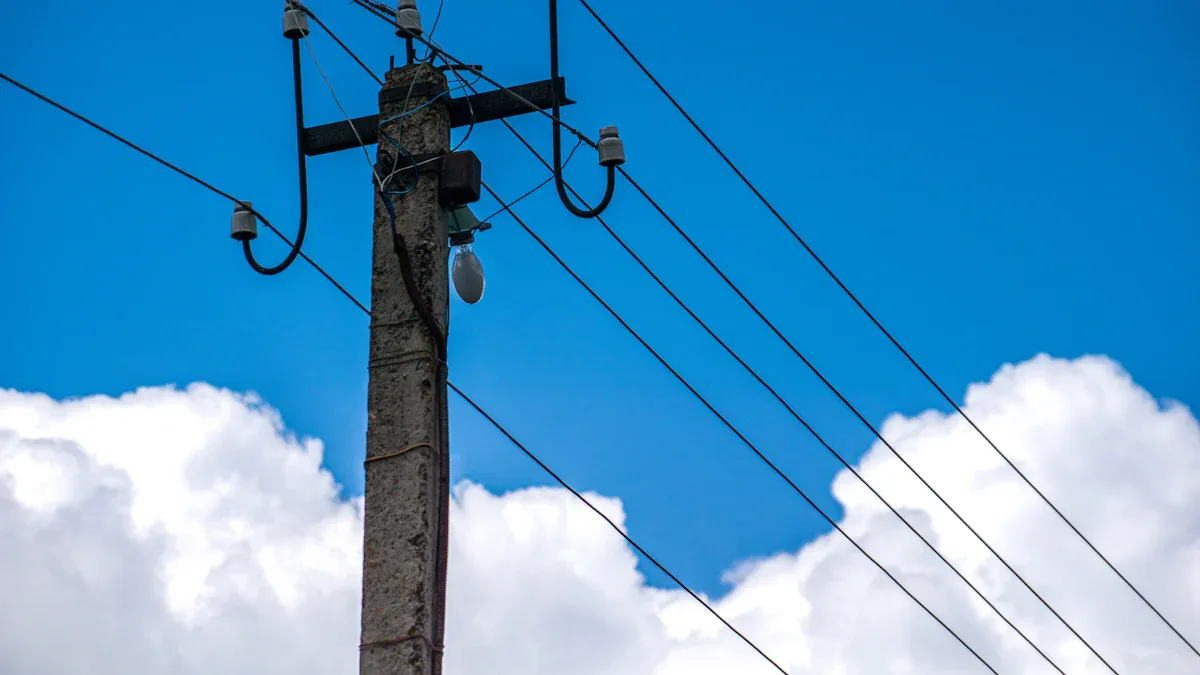
You need the right cable for lights in your yard. Outdoor lighting often uses 12/2 or 14/2 wire. The 12/2 wire can carry up to 20 amperes. This is good for most outdoor lighting. You use this wire to connect lights and transformers outside. For smaller jobs or short distances, you can use 14/2 wire. Some people use 16/2 or 18/2 cables for very small circuits. These are used for signals or tiny solar lights. Always pick thicker cables for longer runs. This helps stop voltage drop and keeps your solar lights bright.
Outdoor cables must handle sun, rain, and dirt. Use cables with jackets that block UV rays. These jackets are made from sunlight-resistant PVC or polyethylene. They protect your lighting from sun and weather. Look for cables with outdoor or sunlight-resistant labels. These cables last longer and keep your lights safe. Armored cables are good for underground or open areas. Waterproof cables add safety in rainy places. You can use basic PVC cables for simple waterproofing. Always check if the cable is strong enough.
You must bury cables deep enough to keep them safe. Most rules say to bury conduits at least 24 inches deep. Under concrete or roads, you can go as shallow as 18 inches. For yard lighting, you can bury listed landscape cable just 6 inches deep. Here is a simple table:
Type of Wiring Method | Location | Burial Depth |
|---|---|---|
30 volt, listed landscape cable | Yard area | 6" |
120 volt, UF cable | Front yard | 12" |
220 volt, direct burial cable | Back yard | 24" |
Always use conduit for extra safety. This is important for solar lights or cables near walkways.
You should always be careful when working with outdoor lights. Check your tools before you start. Use fixtures made for outdoor use. Make sure all wires are insulated and buried. This stops damage. Turn off power before you work to avoid shock. Wear gloves, safety glasses, and protective clothes. Test your voltage tester on something you know works. If you are not sure, ask an electrician for help. These steps keep your solar lights and outdoor wiring safe.
Tip: If you install things right and check them often, your outdoor lights will last longer and work better.
You can make mistakes when working with low-voltage wire. These mistakes can hurt safety and how well things work. If you know about these mistakes, you can stop problems and keep your system working.
Picking the wrong wire size is a big mistake. If the wire is too small, it can get hot and melt. This can start fires or break your devices. If the wire is too big, you spend too much money.
Using wire that is too big wastes money. Using wire that is too small is dangerous.
Always match the wire size to the power needed and how far it goes. Use a chart or calculator to help pick the right size. Turn off the power before you work. Test all your connections after you finish.
Some people forget about the weather and place when picking cable. Outdoor cables face wet air, heat, and sunlight. If you do not use the right cable, your system can break. In wet places, use waterproof connectors to keep water out. In dry or hot places, use cables that can handle heat. UV-resistant connectors protect against sunlight. Always check if your cable can handle the weather where you put it.
Not following safety rules can cause big problems. You must follow local and national codes for wiring. If you do not, you can cause fires, shocks, or break your equipment.
Consequence | Description |
|---|---|
Safety hazards | Wrong cable can cause short circuits. This can start fires or shock people. It can hurt or injure someone. |
Inefficient operations | Bad cable can make things work poorly. It can break equipment and cause problems in your network. |
Increased costs | Using the wrong cable costs more money. You pay more for energy and fixing things. This makes everything cost more. |
Tip: Always use wire nuts or push-in connectors to keep wires safe. Do not use tape to hold wires together. Check all connections and grounding to keep your system safe.
You need to pick the right low voltage cable for your job. This checklist helps you make good choices. If you follow these steps, your system will be safe and work well.
Know Your Application
Decide if you need cable for lighting, power, data, or control. Each job needs a different cable type.
Check Voltage and Current Needs
Look at your devices. Write down the voltage and current they use. This helps you match the cable to your system.
Choose the Correct Wire Gauge
Use a wire size chart or an online calculator. Pick a wire gauge that fits your load and distance. Thicker wires are better for long runs.
Select the Right Material and Insulation
Copper cables work best for most jobs. For outdoor or wet places, pick insulation that blocks water and sunlight.
Review Safety Standards
Make sure your cable meets local and national codes. Look for safety marks like NEC, CE, or RoHS.
Consider the Environment
If you put cable outside, use weatherproof and UV-resistant types. For underground jobs, use direct-burial cable.
Plan for Installation
Measure your cable runs. Leave extra length for connections. Use conduit or protective sheaths if needed.
Test and Inspect
After you install the cable, test your system. Check all connections. Make sure everything works before you finish.
Tip: If you are not sure, ask an expert for help. You can talk to electricians or trusted suppliers for advice.
Step | What to Do | Why It Matters |
|---|---|---|
Application | Find out what your project is | Matches cable to job |
Voltage/Current | Check your device ratings | Prevents overload |
Wire Gauge | Use a chart or calculator | Reduces voltage drop |
Material/Insulation | Pick for where you use it | Makes cable last longer |
Safety Standards | Check codes and marks | Keeps things safe |
Environment | Choose for weather | Protects your system |
Installation | Plan and measure | Avoids mistakes |
Test/Inspect | Check after you install | Confirms safety |
You can pick the right low voltage cable if you follow these steps:
Look at the voltage rating for your system.
Figure out the ampacity so wires do not get too hot.
Think about things like water and temperature around the cable.
Try not to make mistakes with how much power you need or where you use it.
Choose cable material that lasts long and moves electricity well.
Wire size charts help you find the best wire gauge for your job. They stop wires from getting too hot and wasting energy. You should ask experts to make sure you follow safety rules.
East Energy Electrical Engineering Co., Ltd. (4E) is in Yixing, China. The company owns the 4E and Dongyi trademarks. 4E does research, makes, and sells electrical system products. You get help for 1–500kV voltage levels, strong international standards, and special support for projects around the world.
Indoor cables are used in dry places. Outdoor cables have tough jackets. These jackets protect from water and sunlight. They also stop damage. Always look for safety certifications. This makes sure your cable is safe for where you use it.
Check the cable packaging for certifications. These show the cable passed safety tests. Some common certifications are NEC, CE, and RoHS. If you do not see them, ask your supplier for proof.
No, you should not use one cable for both jobs. Lighting cables carry power. Data cables carry signals. Each type needs special insulation and certifications. Using the wrong cable can cause problems.
Most outdoor low voltage cables should be buried at least 6 inches deep. For extra safety, use conduit. Always check local rules and certifications before digging.
Wire gauge controls how much electricity moves. If the wire is too thin, devices may not work right. Thicker wires help stop voltage drop. This keeps your system safe.


