Views: 0 Author: Site Editor Publish Time: 2026-01-13 Origin: Site
You want your power systems to work well and safely. XLPE insulated wire helps move power efficiently. It can carry a lot of current. It works for both high-voltage and low-voltage systems. The insulation is special because it handles hard problems in power projects.
The table below shows main problems XLPE insulation fixes in energy distribution:
Challenge | Description |
|---|---|
Fire Resistance | Better fire resistance is very important for safety in power systems. |
Environmental Impact | Less harm to the environment, like using no lead, meets rules. |
Handling Higher Voltages | Being able to handle higher voltages is needed for sending power far. |
Regulatory Compliance | Strict safety and environment rules mean we need better cables. |
You can see these benefits in many uses, like Medium Voltage Power Cables. Picking the right Cables makes your system safer and stronger. East Energy Electrical Engineering Co., Ltd. (4E) gives you smart solutions for every job.
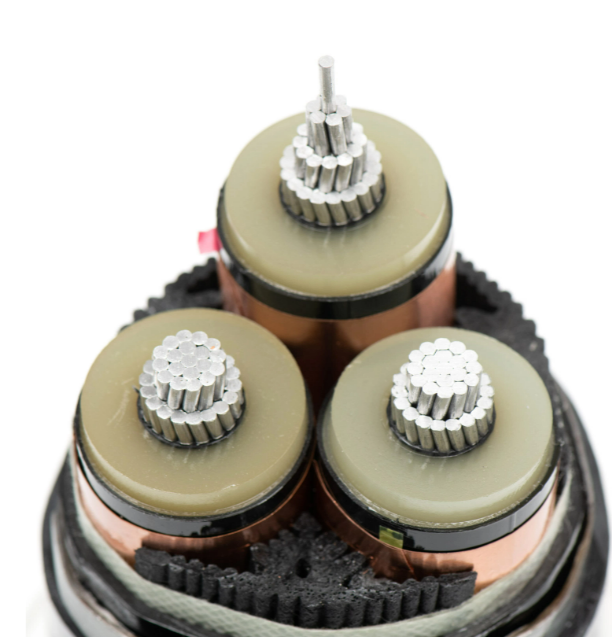
XLPE insulated cables work very well with electricity and do not waste much energy, so your power system works better.
These cables can handle high heat, up to 90°C most of the time and 105°C in emergencies, so they stay safe in hard situations.
XLPE cables last a long time, about 40 to 60 years, so you do not have to replace them or fix them often, which saves money.
The strong insulation in XLPE cables keeps people safe by stopping short circuits and protecting against fire and damage from chemicals.
Picking XLPE cables instead of PVC or paper-insulated cables gives you stronger cables that last longer, work better in bad weather, and perform better overall.
You want your power cables to give steady power with little energy loss. XLPE insulated cables have great electrical insulation. Their dielectric strength is about 122.3 kV per millimeter. This is much higher than other insulation materials like polyethylene. Because of this, you can use XLPE insulated cables in medium voltage power cables. You will get strong electrical performance. These cables keep energy loss low. This means you use energy better and save money on your power system. When you pick XLPE insulated cables, your system works well and stays safe.
You need cables that can handle heat and high voltage without problems. XLPE insulated cables have high thermal resistance. They can work at a top temperature of 90°C during normal use. In emergencies, they can handle up to 105°C for a short time. This thermal resistance lets you use these cables where the temperature changes a lot. You also get strong electrical performance when the voltage goes up. This means your cables keep power steady, even in tough situations. You can trust XLPE insulated cables to work when other cables might stop.
Maximum operating temperature: 90°C
Emergency temperature limit: 105°C (short duration)
You want your power system to last long and need little care. XLPE insulated cables last a long time. At a normal temperature of 90°C, these cables can last 40 to 60 years. If the temperature goes up to 105°C, you still get 7 to 30 years of use. This means you do not have to change cables often. You also spend less time and money fixing them. The strong electrical performance and thermal resistance of XLPE insulated cables help keep power steady for many years. You can feel sure your cables are reliable.
Tip: Picking XLPE insulated cables helps you spend less on repairs and avoid sudden power outages.
You want your power cables to keep things safe if something goes wrong. XLPE insulated power cables help stop short circuits. The insulation is very strong, so it does not break easily. XLPE can handle heat up to 250 °C during a short circuit. This is much hotter than what PVC or PE cables can take. The cross-linked structure helps the cable resist cuts, hits, and scrapes. Your cables stay tough even in hard places.
XLPE insulation helps stop electric problems.
There is less chance of current leaking out.
The cable keeps working if it gets hit or bent.
A study shows XLPE insulation stops leaks well at first. Over time, heat can make the insulation weaker, so you should check your cables as they get older. If a short circuit happens, XLPE insulation seals the cable and stops leaks. You get better short circuit safety and safer electricity use.
You need cables that can last in rough places. XLPE insulated power cables are strong against chemicals. The thermoset material in XLPE stands up to heat, water, and chemicals. This makes these cables good for underground or underwater work. You do not have to worry about water getting in because XLPE keeps it out.
XLPE insulated cables do better in fire than PVC cables. The cross-linking makes XLPE strong and helps it not catch fire. In fire tests, XLPE cables do better than PVC or paper-insulated cables. The insulation does not melt or burn fast. You have more time to act if a fire starts, which helps keep people and equipment safe.
Note: XLPE insulation also protects from weather, so your cables last longer outside.
You want to be sure your cables follow top safety rules. XLPE insulated power cables meet big international standards. These include IEC and IEEE standards. Using XLPE insulated cables shows you care about safety and quality.
IEC standards check electric safety and how well cables work.
IEEE standards make sure your cables work in many places.
When you pick XLPE insulated power cables, you lower the risk of electric problems, fire, and chemical harm. You help make things safer for everyone.
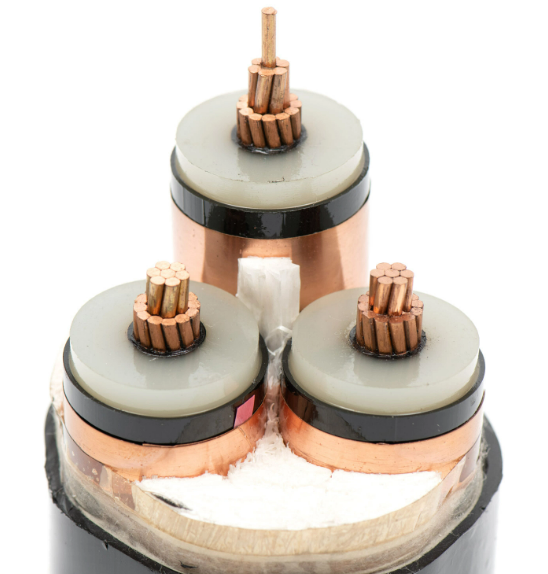
When you pick between XLPE and PVC cables, you should think about how they work in real life. XLPE cables can handle more heat and tough places. The table below shows how they are different:
Property | XLPE Cables | PVC Cables |
|---|---|---|
Temperature Resistance | Long-term: 90°C, Short-term: 130°C | Long-term: 70°C |
Electrical Performance | Low dielectric loss, high insulation resistance | Higher dielectric loss, best for low-voltage (≤1kV) |
Environmental Adaptability | Resistant to UV, ozone, chemical corrosion | Less resistant to harsh environments |
Service Life | Over 20 years | 1.5-2 times shorter than XLPE |
Applications | Medium/high-voltage, industrial plants | Limited to low-voltage applications |
XLPE gives better insulation and can take more heat. These cables work well in hot places and where there is a lot of power use. PVC cables bend more easily, so they fit in small spaces. But they do not last as long or handle heat as well. XLPE cables also stand up to chemicals and sunlight. You can use them outside or underground without worry.
Tip: If you need cables for medium voltage or tough places, XLPE is safer and lasts longer.
Paper-insulated lead-covered cables have been used for a long time. But XLPE cables have many new benefits. You can see the differences in this table:
Aspect | XLPE Cables | PILC Cables |
|---|---|---|
Insulation Material | Cross-linked polyethylene | Impregnated paper |
Durability | Strong, UV resistant | Durable, moisture and chemical resistant |
Installation & Maintenance | Lighter, easy to install | Heavy, needs careful handling |
Cost | Lower overall cost | Higher due to complex installation |
XLPE cables are lighter and easier to put in place. They are also cheaper to take care of. Paper-insulated cables are heavy and need special care. This makes them harder to install. XLPE cables are strong and do not get damaged by sunlight or chemicals.
You want cables that keep your power safe and working well. XLPE insulation lets cables work at higher heat, up to 90°C. You get great electrical strength and less power loss. XLPE cables also resist chemicals and damage. You can use them in many places, like underground or in factories.
XLPE cables help stop power loss over long distances.
You can use them in new projects because they fit modern needs.
XLPE insulation is good for medium and high-voltage cables.
Note: Many power companies now use XLPE cables for medium voltage because they last longer and save energy.
XLPE insulated power cables are used in many industries. They work well in mining, oil and gas, marine, and power plants. These cables can handle high heat and tough places. That is why many companies pick them.
They have great thermal, electrical, and mechanical strength.
They resist high heat and harsh places.
They do not need much care.
You can install them easily, even in hard spots.
In big buildings, these cables let more power flow safely. They can also take more overloads. The table below shows more reasons to use them:
Advantage | Description |
|---|---|
Higher current rating | Carries more power safely, even at 90°C. |
Higher overload and short circuit rating | Works in emergencies and short circuits, up to 250°C. |
Lighter weight, smaller bending radius | Easier to put in small spaces. |
Lower power loss | Saves money by wasting less energy. |
Better resistance | Stands up to hits, scrapes, and rust. |
Easier jointing and termination | No special tools or skills needed. |
You want safe and steady power at home and in your town. XLPE insulated power cables help make this happen. They have high insulation, so there are fewer problems and safer power. These cables do not get hurt by heat or water, so weather is not a worry. They last a long time and do not need much fixing.
Benefit | Description |
|---|---|
High Insulation Levels | Gives steady power and fewer problems. |
Heat and Moisture Resistance | Works safely in all kinds of weather. |
Durability | Lasts long and needs less fixing. |
Flexibility | Easy to put in and take care of. |
These cables help stop problems like insulation breaking or outside damage. If you check them often and install them right, your system stays safe.
You see medium voltage power cables with XLPE insulation in many real jobs. Offshore wind farms in Europe use them to send power from turbines to the grid. Solar farms in hot, dry places use them because they stand up to heat and sun. These cables keep working even when the weather is bad. In cities and factories, these cables help power move without trouble. Tests on thousands of cables show they work well at 20 kV, which is common in city and factory power systems.
Tip: If you pick XLPE insulated medium voltage power cables, you get strong, safe, and long-lasting cables everywhere.
You want power cables that work well and keep you safe. XLPE insulated power cables are strong and last a long time. They work well with electricity and can handle tough hits. These cables also stand up to chemicals and heat.
Advantage | Description |
|---|---|
Electrical Performance | XLPE works for many voltages and beats PVC and EPR. |
Mechanical Strength | XLPE resists pulling, bending, and impacts better. |
Environmental Resistance | XLPE stands up to chemicals, oils, and water treeing. |
XLPE cables do not melt or drip when it gets hot.
They are better at stopping fires and do not make bad smoke.
You save money over time and fix them less.
You should plan your cable setup and follow safety rules. Use the right tools and check your cables often. If you need more help, look for guides about XLPE cable setup and care.
XLPE stands for Cross-Linked Polyethylene. You get a special type of plastic that is strong and resists heat. This material helps your power cables last longer and work better.
You should pick XLPE cables because they handle more heat and last longer. They also resist chemicals and water better than PVC cables. This means you get safer and more reliable power.
Yes, you can use XLPE insulated cables outside. They resist sunlight, rain, and chemicals. You do not have to worry about weather damage.
You can expect XLPE insulated power cables to last 40 to 60 years under normal use. They need little maintenance, so you save time and money.
Yes, XLPE insulated cables are safe for both homes and factories. They protect against fire, water, and chemicals. You get steady and safe power every day.


