Views: 0 Author: Site Editor Publish Time: 2025-08-20 Origin: Site
The rapid evolution of electrical systems has driven significant innovations in cable joint technology, particularly for outdoor poles. These outdoor installations require highly reliable and durable cable joints, as they are exposed to varying environmental conditions such as temperature fluctuations, moisture, and mechanical stresses.
In the past, traditional winding technology was the primary method used for these cable joints. However, with advancements in technology, cold shrink technology has emerged as a superior alternative, offering numerous benefits in terms of installation speed, safety, and long-term reliability.
Cable joints, especially in outdoor applications, are critical components for electrical networks. They facilitate the connection between different sections of cables, enabling the safe and efficient transmission of electrical power. Outdoor poles, such as those found in overhead power lines and distribution networks, require cable joints that can withstand environmental stress, including temperature extremes, humidity, and UV exposure.
In these settings, cable splices, terminations, and joints are essential to ensure that the electrical connection remains intact and resistant to damage over time. Outdoor pole cable joints need to be robust and reliable, as failures can lead to power outages or more severe electrical hazards.
Historically, cable joints for outdoor poles were made using traditional winding technology. This method involved manually wrapping insulation and sealing materials around the cable joints, providing protection from environmental factors and ensuring electrical integrity. While this method was effective in its time, it came with several limitations:
Labor-Intensive Process: Winding required skilled labor and was a time-consuming process.
Limited Flexibility: The winding process was rigid, with limited adaptability to varying cable sizes and installation conditions.
Inconsistent Quality: Manual winding sometimes led to inconsistencies in the finished joints, which could result in potential failure points over time.
Installation Complexity: The process required extensive training and a deep understanding of the materials being used, which often led to longer installation times and higher costs.
With these drawbacks, the need for a more efficient, cost-effective, and reliable solution became apparent, leading to the development and adoption of new technologies.
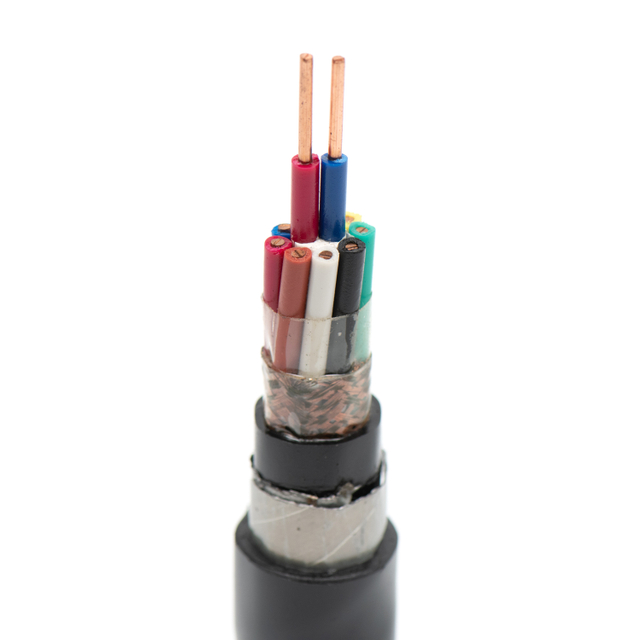
Cold shrink technology is a relatively recent innovation that has transformed the way outdoor pole cable joints are created and installed. Unlike traditional winding or heat shrink technologies, cold shrink involves the use of a pre-stretched, tubular elastomeric sleeve that contracts around the cable once it is placed into position. This mechanical shrinking process creates a tight and secure seal without the need for heat, providing several advantages over traditional methods.
Cold shrink technology has proven to be highly effective in outdoor pole applications, where resistance to weather and environmental conditions is crucial. This technology is gaining traction due to its numerous benefits.
Faster Installation: Cold shrink joints can be installed much more quickly compared to traditional winding or heat shrink methods. The absence of heating equipment and the simple nature of installation lead to reduced downtime, making it more efficient for field technicians.
Increased Safety: Cold shrink technology eliminates the need for heat, making it a safer choice for installation. Technicians do not need to worry about handling heat guns or other heating tools, reducing the risk of burns or other accidents during installation.
Enhanced Durability: Cold shrink materials are highly resistant to environmental stressors like UV radiation, moisture, and temperature fluctuations. This makes them ideal for use in outdoor applications, where cable joints are exposed to the elements.
Reduced Maintenance Costs: The high durability of cold shrink joints means that they require less frequent maintenance and repairs, leading to lower long-term costs. The protective seal created by cold shrink technology helps ensure the integrity of the electrical connection, minimizing the risk of failure.
Environmental Resistance: Cold shrink technology provides superior protection against the elements. It can handle extreme weather conditions, such as heavy rain, snow, and fluctuating temperatures, ensuring that outdoor pole installations remain secure and operational.
Cold shrink technology shares some similarities with heat shrink technology, but there are several key differences:
Installation Process: Heat shrink technology requires a heat source to activate and shrink the tubing around the cable. This can be time-consuming and requires additional tools like heat guns or ovens. In contrast, cold shrink technology relies on mechanical contraction, which simplifies the process and eliminates the need for heat.
Flexibility and Adaptability: Cold shrink is more flexible and adaptable to various cable sizes and shapes. It can accommodate a wide range of applications, while heat shrink is often more rigid and may require additional accessories for specific installations.
Performance in Outdoor Environments: Cold shrink joints are particularly suited for outdoor poles, where environmental resistance is critical. They offer superior performance in harsh conditions such as exposure to sunlight, rain, and temperature extremes.
As the demand for efficient and reliable outdoor cable joints continues to rise, cold shrink technology is becoming the preferred choice for many utility providers and electrical engineers.
The transition from traditional winding to cold shrink technology represents a significant technological upgrade in the design and installation of outdoor pole cable joints. Several advancements have been made in the materials, design, and customization of these joints, enhancing their overall performance.
Modern cold shrink joints use high-quality elastomers and other advanced materials that provide superior insulation, sealing, and protection. These materials are engineered to withstand the harshest environmental conditions, ensuring that outdoor pole cable joints remain intact and functional for years to come.
The ability of cold shrink joints to resist UV radiation, moisture, and extreme temperatures makes them an ideal solution for applications that require long-lasting performance.
Not all outdoor pole installations are the same. Different environments and cable configurations require customized solutions to ensure optimal performance. Manufacturers are now offering tailored cold shrink joints designed to meet specific requirements, such as high-voltage transmission lines or distribution networks.
Customization options include different sizes, insulation ratings, and sealing mechanisms to suit the unique needs of each installation.
The rise of smart grids and IoT (Internet of Things) technology has paved the way for the integration of smart features into cable joints. Smart cable joints can monitor the condition of the cables and alert technicians to potential issues, allowing for proactive maintenance and reducing the risk of failure.
By incorporating sensors and connectivity into cold shrink joints, outdoor pole installations can benefit from real-time data and enhanced monitoring capabilities.
Jiangsu East Energy Electrical Engineering Co., Ltd. is a leading player in the field of outdoor pole cable joints, particularly with its innovative cold shrink solutions. The company offers high-quality cold shrink joints designed to provide superior performance in challenging outdoor environments.
One of the key advantages of Jiangsu East Energy Electrical Engineering Co., Ltd.’s products is their emphasis on ease of installation. Cold shrink joints from the company can be installed quickly and safely, reducing downtime and labor costs. Furthermore, their products are built to withstand extreme weather conditions, ensuring long-term reliability and durability.
By focusing on quality and innovation, Jiangsu East Energy Electrical Engineering Co., Ltd. is helping to drive the adoption of cold shrink technology and improve the performance of outdoor pole cable joints in electrical networks worldwide.
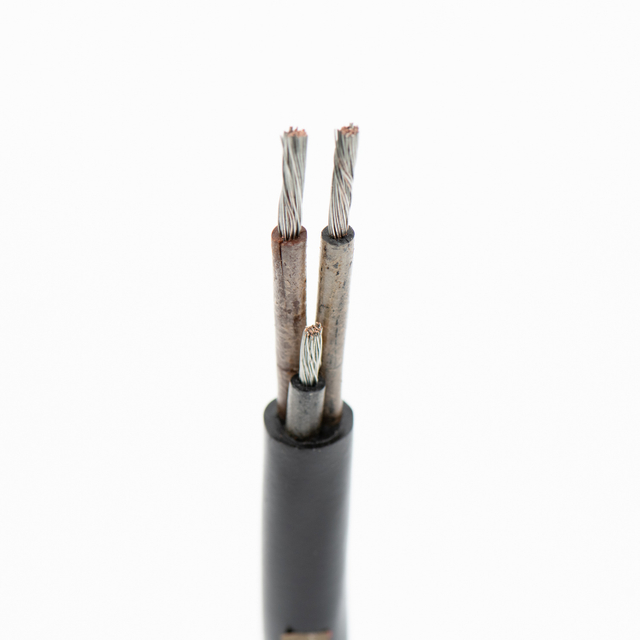
Cold shrink technology relies on a pre-stretched sleeve that contracts around the cable when installed, while heat shrink technology requires a heat source to activate and shrink the material. Cold shrink is generally easier and safer to install, while heat shrink requires additional tools and time.
Yes, cold shrink joints are ideal for high-voltage applications, as they provide excellent insulation, sealing, and protection against environmental factors. They are widely used in medium and high-voltage transmission lines and distribution networks.
Cold shrink technology eliminates the need for heat tools like heat guns, which reduces the risk of burns or other accidents. The installation process is faster and safer, making it more suitable for field technicians.
Cold shrink joints are highly durable and resistant to environmental stressors, meaning they require less frequent maintenance and repairs. The long-lasting performance of cold shrink joints helps minimize downtime and lower overall maintenance costs.
The transition from traditional winding technology to cold shrink technology marks a significant leap forward in the design and installation of outdoor pole cable joints. Cold shrink technology offers faster installation, enhanced safety, and improved durability, making it the preferred solution for modern electrical networks. As the demand for more efficient and reliable cable joints grows, companies like Jiangsu East Energy Electrical Engineering Co., Ltd. are playing a crucial role in driving innovation and ensuring the future success of outdoor pole installations.


