Home » Products » Cable Materials » Silane XLPE Insulation Compound » Sioplas Silane XLPE Compound for UV & Hydrolysis Resistant Aerial Cable

Sioplas Silane XLPE Compound for UV & Hydrolysis Resistant Aerial Cable

5 0 Reviews
Silane XLPE Compound (Sioplas Method)​​ is a high-performance insulation material engineered for 10kV aerial wires and cables. Utilizing advanced Sioplas cross-linking technology, this compound delivers ​superior thermal stability​ (90°C continuous operation, 120°C short-term), ​exceptional dielectric strength​ (volume resistivity ≥10¹⁵ Ω·cm), and ​robust environmental resistance​ against UV, moisture, and chemical corrosion. Ideal for overhead power distribution in urban, coastal, and renewable energy projects, it reduces installation costs by 25% versus conventional PVC cables while extending service life to 30+ years
Availability:
Quantity:
facebook sharing button
twitter sharing button
line sharing button
wechat sharing button
linkedin sharing button
pinterest sharing button
whatsapp sharing button
sharethis sharing button

Silane XLPE Compound of Sioplas Method for Aerial Wire and Cable up to 10kV


Product Title

Warm Water Crosslinkable Polyethylene Insulation Compound for 10kV Aerial Cables – Silane Crosslinking XLPE Material


Meta Description

Warm water crosslinkable polyethylene insulation compound consisting of Compound A and Compound B. Features excellent extrusion performance, stable physical and chemical properties. Ideal for 10kV and below aerial cable insulation with maximum working temperature of 90°C. Compatible with loss-in-weight feeder systems to ensure precise component ratio control.


Product Overview

This warm water crosslinkable polyethylene insulation compound is a two-component silane crosslinking system specifically developed for manufacturing high-performance XLPE (cross-linked polyethylene) insulated cables. The material is ideal for overhead power cables rated at 10kV and below, offering a balance of excellent extrusion characteristics, thermal stability, and electrical insulation properties.

Composition

The compound consists of two separate components:

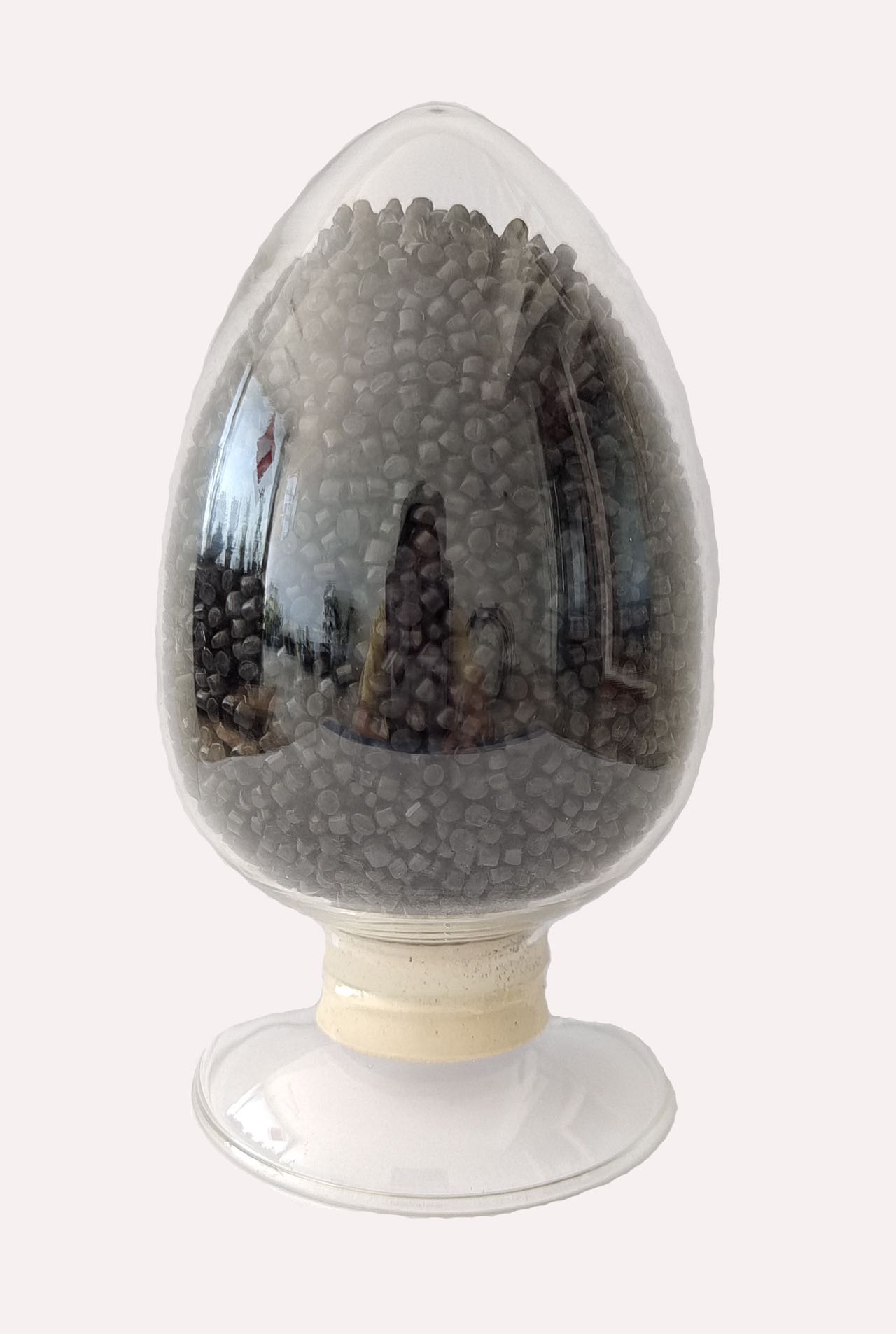
  • Compound A – Manufactured from high-quality polyethylene resin and imported silane coupling agent, providing the base polymer matrix for crosslinking.

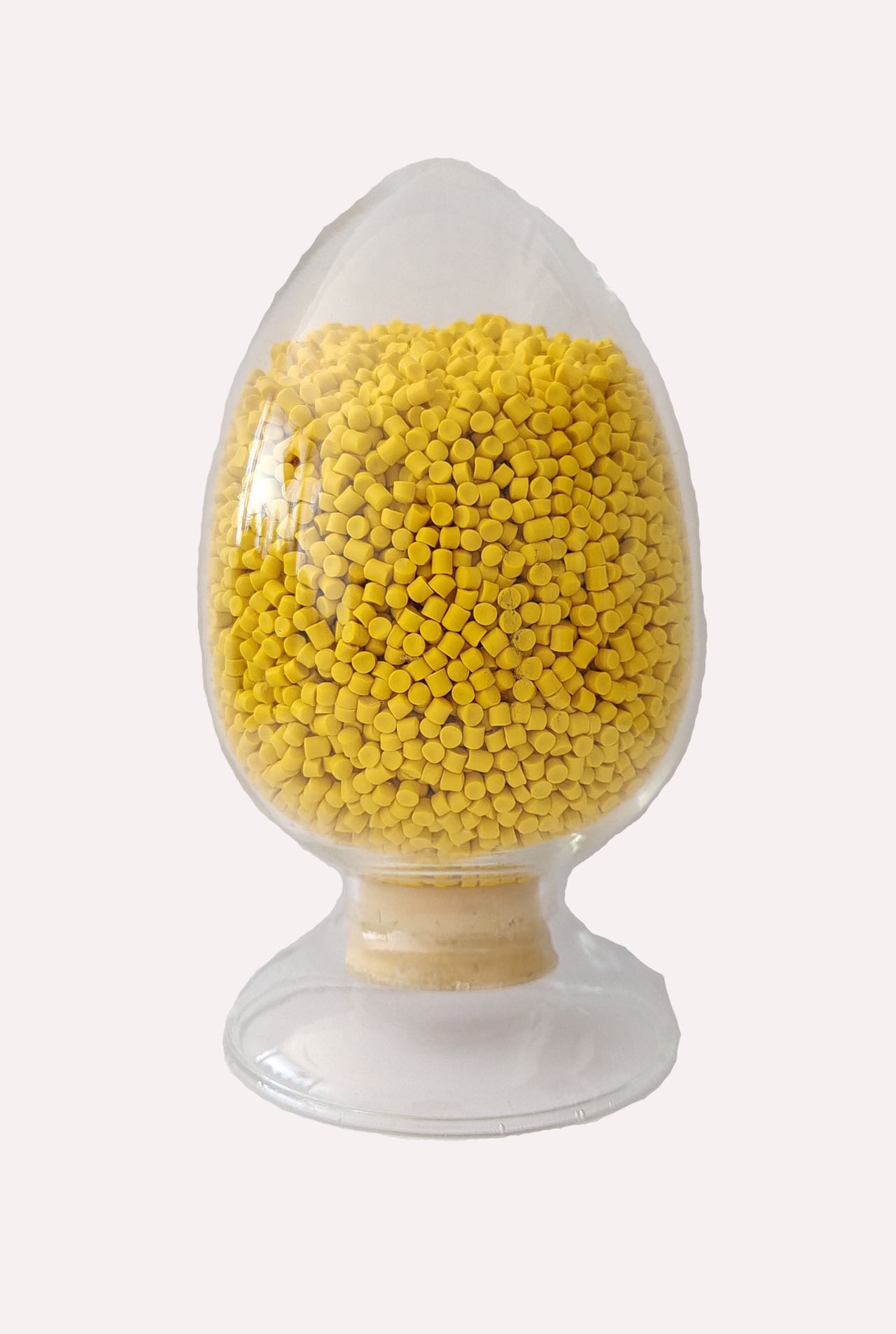
  • Compound B – Made from organotin catalysts and antioxidant agents, which initiate and accelerate the crosslinking reaction when mixed with Compound A.

Production Process

The manufacturing process uses a loss-in-weight feeder system, which ensures stable and precise control of the component ratio during extrusion. This level of accuracy helps to achieve consistent crosslinking density, uniform material properties, and reliable cable performance.

Curing Method

Unlike traditional XLPE compounds that require continuous vulcanization (CV) lines with high-pressure steam, this silane crosslinkable compound cures in warm water. This significantly reduces energy consumption, equipment costs, and manufacturing complexity, making it an economical choice for medium and small-scale cable producers.

Performance Highlights

  • Excellent extrusion performance – Smooth, consistent output on standard extruders

  • Smooth cable surface finish – Reduces electrical stress points

  • Stable physical and chemical indices – Batch-to-batch consistency ensures reliable quality

  • High crosslinking degree – Achieves ≥65% gel content per IEC 60502

  • Good thermal aging resistance – Suitable for long-term operation at elevated temperatures


Key Features

Two-Component Silane Crosslinking System

  • Compound A + Compound B provide controlled and reliable crosslinking

  • Compatible with standard one-step or two-step silane crosslinking processes

  • Allows flexible production scheduling (compounds can be stored separately)

Excellent Extrusion Performance

  • Smooth and consistent output on standard single-screw extruders

  • No need for specialized screw designs or equipment modifications

  • Reduces scrap rate and material waste during production startup

Stable Physical and Chemical Indices

  • Batch-to-batch consistency ensures reliable cable quality

  • Tight control of melt flow index, density, and crosslinking behavior

  • Meets international standards for XLPE insulation materials

Loss-in-Weight Feeder Compatibility

  • Maintains precise mixing ratio (typically 95:5 or 92:8 Compound A to Compound B)

  • Prevents under-crosslinking or over-crosslinking caused by ratio errors

  • Compatible with most gravimetric and volumetric feeder systems

Warm Water Curing

  • Simple and energy-efficient crosslinking process

  • Curing conditions: typically 70°C to 90°C warm water for 4 to 8 hours

  • Eliminates need for high-pressure steam vulcanization lines

  • Reduces capital investment and operational costs

Good Thermal Aging Resistance

  • Suitable for long-term operation at elevated temperatures (up to 90°C continuous)

  • Maintains mechanical and electrical properties after thermal aging (e.g., 135°C for 168 hours per IEC 60811)

  • Resists thermal oxidative degradation due to built-in antioxidant system

Environmental and Safety Benefits

  • No hazardous byproducts released during crosslinking

  • Lower energy consumption compared to steam curing

  • Reduced fire risk during production (no high-pressure steam)


Application

This insulation compound is specifically designed for:

  • 10kV and below aerial cable insulation (overhead insulated cables)

  • Maximum continuous working temperature: 90°C (conductor temperature)

  • Maximum short-circuit temperature: 250°C (for up to 5 seconds)

Typical Cable Types

  • ABC (Aerial Bundled Cables) for overhead distribution

  • Single-core and multi-core aerial cables

  • Overhead service drop cables

  • Rural electrification cables

  • Urban power distribution cables

Important Note

The above temperature rating is for reference only. Actual application should be verified according to cable design, operating conditions, and relevant national or international standards (e.g., IEC 60502, GB/T 14049).


Storage Instructions

To maintain product quality and performance, please follow these storage guidelines:

Condition Requirement
Storage temperature Keep at room temperature (15°C to 30°C recommended)
Environment Clean, dry, and well ventilated
Best before date Use within six months from production date
After mixing Compound A and B Use within 8 hours (to prevent premature crosslinking)
After opening Compound A Use within 24 hours (seal tightly after each use)

Additional Storage Notes

  • Store away from direct sunlight, heat sources, and moisture

  • Keep bags sealed until ready for use

  • Do not store near solvents, acids, or alkalis

  • Proper storage prevents:

    • Moisture absorption (which can cause voids and poor crosslinking)

    • Premature crosslinking (which can lead to scorching during extrusion)

    • Degradation of silane coupling agent and catalyst activity


Product Packaging

Component Weight per bag Packaging material
Compound A 23.75 kg Moisture-resistant aluminum laminated bag + outer composite paper bag
Compound B 1.25 kg Moisture-resistant aluminum laminated bag + outer composite paper bag
Total package weight 25 kg per combined unit (A + B)

Packaging Features

  • Aluminum laminated inner layer provides excellent moisture barrier protection

  • Composite paper outer bag ensures mechanical strength during transport and handling

  • Easy-to-open design for efficient production line feeding

  • Clear labeling with batch number, production date, and component identification

Bulk Packaging Options (Available Upon Request)

  • 500 kg or 1000 kg bulk bags (FIBC)

  • Custom packaging for large-scale production lines


Technical Benefits Summary

Benefit Description
Energy saving Warm water curing eliminates energy-intensive steam vulcanization lines
High crosslinking degree Achieves ≥65% gel content per IEC 60502 (typical range: 65–80%)
Good heat deformation resistance Suitable for continuous 90°C operation with low deformation under load
Smooth cable surface Reduces risk of electrical stress points and partial discharge
Compatible with standard extruders No expensive modifications required; works with L/D 20:1 to 25:1 extruders
Low scrap rate Consistent extrusion reduces material waste during startup and changeovers
Long shelf life Six-month shelf life when properly stored (unmixed components)
Environmentally friendly No hazardous byproducts; lower carbon footprint compared to steam-cured XLPE

Recommended Processing Conditions

Parameter Recommended Value
Extruder temperature profile 150°C – 190°C (gradual increase from feed zone to die)
Die temperature 180°C – 200°C
Screw speed 30 – 80 rpm (depending on extruder size)
Cooling method Water trough (ambient temperature)
Curing method Warm water bath: 70°C – 90°C for 4 – 8 hours
Crosslinking degree verification Measure gel content per IEC 60502 after curing

Note: Actual processing parameters may vary depending on extruder type, screw design, and cable construction. Optimization trials are recommended.


Quality Assurance and Testing

Each batch of compound is tested to ensure compliance with the following typical specifications:

Property Test Method Typical Value
Density (Compound A) ASTM D1505 0.920 – 0.925 g/cm³
Melt flow index (190°C/2.16kg) ASTM D1238 1.5 – 3.5 g/10 min
Tensile strength (before aging) IEC 60811 ≥ 13.5 MPa
Elongation at break (before aging) IEC 60811 ≥ 350%
Tensile strength retention (after aging) IEC 60811 ≥ 80%
Elongation retention (after aging) IEC 60811 ≥ 80%
Gel content IEC 60502 ≥ 65%
Volume resistivity IEC 60093 ≥ 1 × 10¹⁵ Ω·cm
Dielectric strength IEC 60243 ≥ 25 kV/mm


cable material (4)cable material (7)cable material (6)cable material (10)


Item

Unit

Test method

Standard

vaue

Typical

value

Tensile strength

MPa

IEC 60811- 1- 1

≥ 13.5

18.5

Elongation at break

%

≥350

465


Impact embrittlement performance@-76℃

Failure number

Piece

ASTM D746

≤ 15/30

0/30

After aging

@135℃, 168h


Tensile strength variation

%

IEC 60811- 1-2


±20

+7

Breaking elongation variation

%

±20

+ 1

Hot prolongation@200℃, 0.2MPa, 15min


Elongation under the load

%

IEC 60811-2- 1


≤80

50

Permanent deformation

%

≤5

0

Dielectric dissipation factor@20℃, 50HZ

IEC 60250

≤0.001

0.0003

Relative dielectric constant@20℃, 50HZ

≤ 2.35

2.25


Dielectric strength@20℃

MV/m

IEC 60243- 1

≥25

37

Volume resistivity@20℃

Ω ·m

IEC 60093

≥ 5×10¹³

6×10¹⁴

Environmental stress crack resistance F50

r

IEC 811-4-1

≥ 1000

Pass

Artificial climate aging resistance (after42 days )


Tensile strength variation

%


GB/T 14049


±30

- 19

Breaking elongation variation

%

±30

-25

Artificial climate aging resistance (after 21 days)


Tensile strength variation

%

± 15

-9

Breaking elongation variation

%

± 15

- 11

Processing


Recommend for polyethylene specific extruder. Draw ratio is from 18:1 to 25:1 and other equipment need to be adjusted according to the circumstance.


Zone

Feeding Section

Compression Section

Homogenization Section

Model Section

Temperature Range ℃

160- 180

180- 190

190-200

195-205


Previous: 
Next: 
Keep In Touch With Us

ABOUT US

Our company is a professional company that engaged in production, sales, technology research, technology development and technical services of electrical system products, power engineering design and construction, electrical products, electrical equipment, sales, installation and technical services of energy storage equipment.
 

PRODUCTS

CONTACT US

  Mainland China Office
2201-7 & 2201-8, Dongjiu Building, No.888 Jiefang East Road, Yixing City, Jiangsu Province, China
  +86-510-87013147
  Hong Kong Office
Flat A,7/F.,Annking Industrial Building,22 Wang Yip Street East,Yuen Long,N.T.,Hong Kong
  +852-84960208
​Copyright ©  2025 East Energy Electrical Engineering Co., Ltd.  苏ICP备16064163号-1 Technology by Leadong. Sitemap.