Views: 0 Author: Site Editor Publish Time: 2026-01-05 Origin: Site
Low voltage concentric cables make things safer. They help with grounding and stop electrical shocks and fires. These cables last a long time and work well. People use them in homes, offices, and outside. If you install and check concentric cables often, they will work for many years. This also helps stop electrical problems from happening.
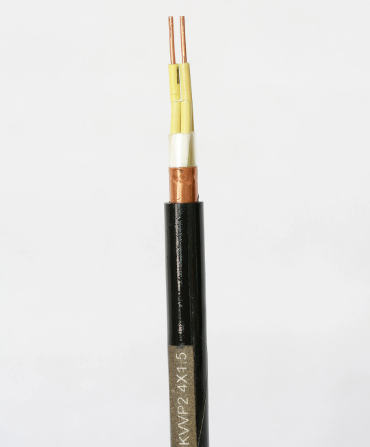
It is important to know why a low voltage concentric cable is special. This cable has many layers that work together. These layers help keep your power safe and steady. The table below lists the main parts and explains how each part helps with electricity:
Component | Description | Contribution to Electrical Performance |
|---|---|---|
Central Conductor | The core of the cable that carries electrical current, typically copper or aluminum. | Ensures efficient power distribution. |
Insulation Layer | Surrounds the central conductor, made from materials like PVC or XLPE. | Prevents short circuits and protects the conductor. |
Concentric Conductive Layer | A layer of conducting material arranged concentrically, forming the neutral return path. | Enhances durability and efficiency in power distribution systems. |
Outer Insulation | The outermost layer that protects against environmental factors. | Provides protection from moisture, chemicals, and physical damage. |
This design lets you control grounding better. The concentric conductive layer makes a strong path for grounding. You get safer electricity and better performance.
You want your cables to be safe all the time. The concentric design makes grounding easy and works well. The outer conductors wrap around the cable. They give a good path for grounding. You do not need extra wires for this. This setup helps you find problems fast and fix them before they get worse.
The cable also protects itself from damage. Here is what it does:
The layers stop people from touching live wires.
The cable keeps out water, rubbing, pressure, and bumps.
You lower the chance of short circuits and fires by blocking dangers.
You get better grounding, so there is less risk of shock. The cable’s design also stops electromagnetic interference. This keeps your devices safe and your power steady. Good grounding and strong layers make this cable a smart choice for safe power.
You want your electrical system to be safe every day. Low voltage power cables help you reach this goal. These cables can carry a lot of electricity. This means you can use more devices without worry. The concentric design helps you find problems fast. You can fix issues before they become dangerous.
Low voltage power cables lower the chance of fire. The insulation and layers keep heat and sparks away. Your home or business stays safer. These cables are strong against water, chemicals, and pressure. You do not need to fix them often. Your system works well for many years.
Tip: If you pick low voltage power cables, your power system works better. You also make things safer and more reliable for everyone using electricity in your building.
You want your family, workers, and equipment to be safe. These cables help you do that. You feel calm knowing your system is protected and easy to take care of.
Low voltage power cables are used in many places. You see them in homes, offices, factories, and schools. Electricians use these cables for lights, outlets, and machines. You find them in control panels and boards. They help connect air conditioners, computers, and security systems.
Here are some ways people use low voltage power cables:
Powering lights and sockets in homes
Connecting machines in factories
Running computers and printers in offices
Supporting security cameras and alarms in schools
Linking air conditioning units in hotels
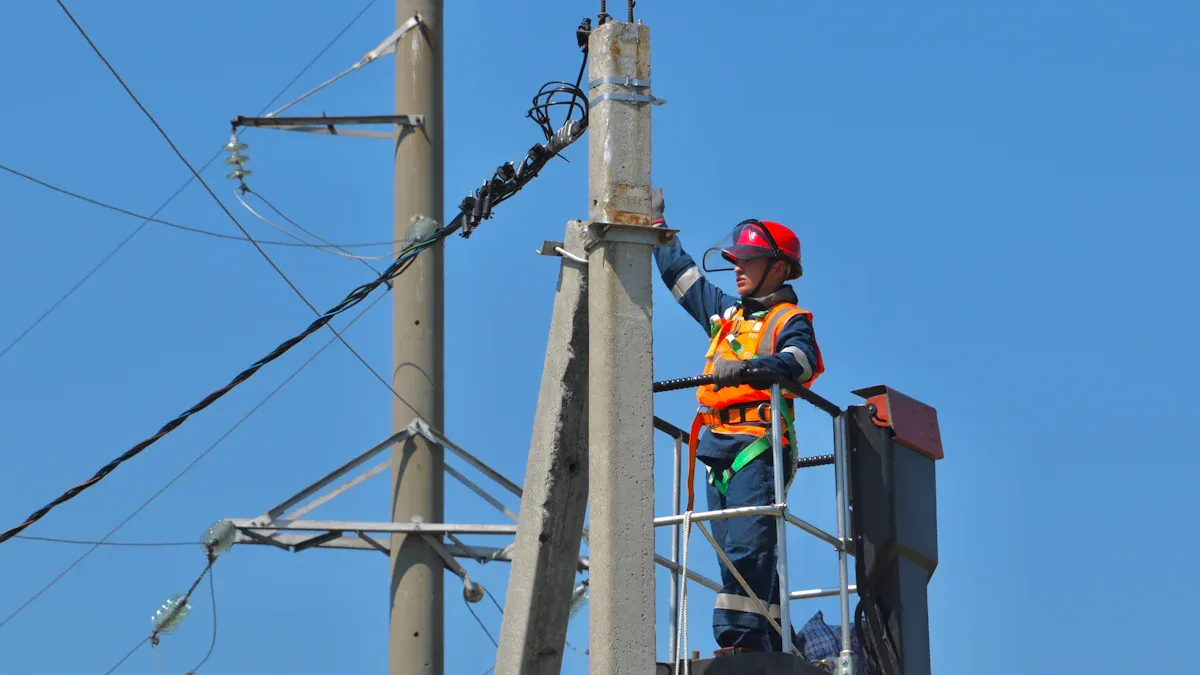
You also see these cables underground and outside. They work well where you need strong protection and easy care. You can use them for street lights, parking lots, and garden power.
The table below shows more ways to use these cables and how they help:
Application Area | How Cables Help You | Why You Benefit |
|---|---|---|
Residential Buildings | Safe wiring for lights and outlets | Lower fire risk, easy maintenance |
Commercial Offices | Power for computers and equipment | Reliable connections, efficient power distribution |
Industrial Factories | Machines and control panels | High current capacity, strong protection |
Schools and Hospitals | Security and emergency systems | Improved safety and reliability |
Outdoor Installations | Street lights, garden power | Weather resistance, long-lasting performance |
You want your electrical system to last a long time. Low voltage power cables give you strong and easy-to-care-for wires. You save money because you do not replace them often. You also make your power system work better.
.
You want to pick the best cable for your needs. Concentric cables are different from standard low voltage cables. They have a central conductor with layers and extra conductors around it. This design helps stop electromagnetic interference. Your power stays steady, and your devices work better.
Concentric cables can carry power and control signals together. This makes your system work faster and smoother. The insulation and strong layers keep the cable safe from harm. You can use these cables where you need good power and data transmission. The design helps the cable last longer, even in tough places. You get more safety and less chance of electrical problems.
If you look at the table below, you will see how concentric cables and standard cables are different:
Aspect | Concentric Cables | Standard Low Voltage Cables |
|---|---|---|
Cost | Generally more expensive | Generally less expensive |
Complexity | More challenging to install | Easier to install |
Concentric cables cost more and are harder to put in. But you get better safety and performance for your power system.
You want to choose the right concentric cable for your system. Here are some tips to help you:
Check the voltage rating. For example, 600V cables are good for factories.
Pick the right number of cores. You can use 2 core or 3 core cables for different jobs.
Look at the insulation material. Good insulation keeps cables safe from water and chemicals.
Make sure the cable meets standards like IEC 60228 and IEC 60502-1.
Check the markings and labels for important details.
When you install a concentric cable, follow these steps:
Key Practice | Description |
|---|---|
Conduit Fill Ratio | Do not fill conduits more than halfway. This stops overheating and leaves space for more cables. |
Drainage and Sealing | Seal entry points to keep out water and pests. |
Cable Organization | Use brackets about 80 cm apart to hold and organize cables. |
Anticorrosion Measures | Protect cables from rust and corrosion. |
Grounding | Ground cables the right way for safety. |
Pulling Tension | Do not pull cables too hard. Follow the limits to avoid damage. |
Bending Radius | Bend cables only as much as the maker says. |
Post-Installation Testing | Test the system after you finish installing to make sure it works well. |
For maintenance, you should:
Check cables often for damage or wear.
Keep cables clean and free from dirt.
Make sure all connections are tight and safe.
Set up a regular schedule for checks and repairs.
Teach workers how to care for concentric cables.
Tip: Good installation and care help your concentric cable last longer and keep your power system safe.
Low voltage concentric cables help keep power safe and steady. Their design is good for the environment. They also work well with new energy systems. You can stop problems like bad connections or broken cables. This happens when trained workers install them. As cities get bigger, more homes and factories need these cables.
You get better grounding and protection. The concentric design helps stop shocks and fires. You also find problems faster, so you fix them before they cause harm.
Yes, you can use them outdoors. The strong insulation protects against water, sunlight, and weather. You get reliable power for street lights, gardens, and parking lots.
You check cables for damage or wear. You keep them clean and dry. You test connections often. You follow a regular schedule to make sure everything works well.