Views: 0 Author: Site Editor Publish Time: 2026-07-13 Origin: Site
Complex electrical projects often create cable questions that a standard catalog choice cannot answer. Voltage rating, current load, installation route, moisture exposure, mechanical protection, documentation, and delivery planning all affect whether a Power Cable will work safely once it reaches the site. A cable that looks suitable in a basic specification can still cause delays if it is difficult to pull, poorly matched to accessories, or not built for the actual environment.
Getting a tailored solution means turning site conditions into a clear technical requirement before procurement begins. The right approach helps teams choose suitable construction, avoid over- or under-specification, and request supplier feedback that is useful beyond price.
A reliable cable brief begins with the electrical system, not with a catalog page. The project team should confirm the system voltage, rated current, expected load profile, short-circuit conditions, operating duty, and future expansion margin. Voltage affects insulation level, test requirements, and system compatibility, while current influences conductor size, heat rise, losses, and long-term aging. A Power Cable selected without these details may appear acceptable on paper but fail to match the actual operating stress.
Medium-voltage projects need particular care because their requirements sit between routine low-voltage wiring and high-voltage transmission design. IEC 60502-2 specifies construction, dimensions, and test requirements for power cables with extruded solid insulation from 6 kV up to 30 kV for fixed installations such as distribution networks and industrial installations. That standard context helps explain why voltage class should be defined clearly before structure, accessories, and documentation are discussed.
The installation route can change the cable decision as much as the electrical load. A line running through a cable trench, duct, tunnel, tray, bracket system, direct-burial path, or indoor-to-outdoor transition faces different mechanical and environmental pressures. Restricted routing spaces also affect cable diameter, bending radius, pulling tension, and installation sequence. A suitable Power Cable must fit the route physically as well as electrically.
Route mapping should include the total length, elevation changes, turning points, joint locations, pulling direction, and available space for drums and equipment. Long routes may require careful drum planning to reduce unnecessary joints, while tight bends can rule out constructions that are too stiff or heavy. If the installation team is not consulted early, a technically correct cable can still become difficult, slow, or costly to install.
Environmental risk should be defined before protective layers are selected. Moisture, groundwater, soil pressure, mechanical impact, UV exposure, chemicals, vibration, rodents, and fire-safety expectations all influence the cable structure. Direct burial may call for stronger mechanical protection, while wet or water-prone routes may require water-resistant construction rather than a basic outer sheath. In harsh conditions, simply increasing conductor size does not solve sheath damage, water ingress, or installation stress.
Project input | Questions to confirm before selection |
Electrical data | What are the voltage rating, load current, short-circuit level, and future capacity needs? |
Installation route | Will the cable run in trench, duct, tray, tunnel, direct burial, or mixed conditions? |
Environmental risks | Is there moisture, UV, soil pressure, chemical exposure, vibration, or impact risk? |
Compliance needs | Which IEC, BS, UL, project, or local requirements apply? |
Delivery planning | What drum length, packaging, schedule, and site storage conditions are needed? |
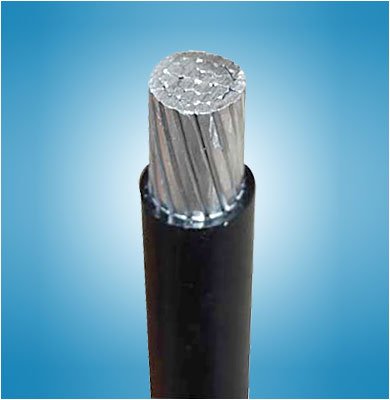
Once project conditions are clear, the next step is translating them into cable construction. Conductor material is one of the first decisions. Copper offers strong conductivity and compact sizing, while aluminum can reduce weight and material cost in suitable designs. The final choice should consider current capacity, voltage drop, termination method, mechanical handling, and the project’s budget target.
Insulation selection is equally important in a medium-voltage Power Cable. XLPE insulation is widely used in medium-voltage distribution because it offers strong dielectric performance and good thermal stability for demanding electrical networks. 4E Energy’s medium-voltage XLPE insulated cable combines XLPE insulation, PVC outer sheath, copper or aluminum conductor options, and a voltage range from 3.6kV to 35kV. This type of construction is useful when engineers need practical options rather than a vague cable name.
Armoring should be treated as a site-driven decision. Unarmored cable may be acceptable in controlled indoor routes, ducts, or protected cable trays where mechanical damage risk is low. Armored structures become more relevant where the cable may face soil pressure, impact, direct burial conditions, or difficult industrial routing. The protective choice should reflect the actual installation path, not a general preference for heavier cable.
Waterproofing follows the same logic. A project exposed to groundwater, damp trenches, outdoor transitions, or uncertain drainage should be reviewed for water resistance and sheath suitability. When radial or longitudinal water ingress is a realistic risk, the cable design should include barriers or protective structures that support long-term reliability. 4E Energy’s medium-voltage XLPE insulated cable range includes steel tape armored, steel wire armored, PE/PVC sheathed, and comprehensive waterproof layer constructions, giving project teams different ways to match protection layers to site conditions.
A weak specification creates obvious risks: overheating, insulation stress, premature aging, water ingress, downtime, and safety hazards. Less obvious is the cost of excessive specification. A cable that is much heavier, larger, or more protected than necessary may increase material cost, require larger trays or ducts, complicate pulling, and slow installation. The best Power Cable solution is not the strongest one available; it is the one that matches the electrical duty, site conditions, installation method, and service life expectation with the least avoidable waste.
A supplier cannot provide useful engineering feedback from a short message that only says “quote medium-voltage cable.” The request should give enough context for the supplier to check the construction, suggest alternatives, and identify missing information. Many project inquiries move too quickly toward lead time, price, or general customization before the technical basis is clear. A stronger inquiry helps the supplier understand the actual application before quotation begins.
Prepare these details before requesting a tailored Power Cable solution:
● Rated voltage, system voltage, rated current, short-circuit requirement, and future capacity margin.
● Preferred conductor material, number of cores, conductor size, installation method, route length, and required drum length.
● Soil, water, temperature, UV, chemical, mechanical, and fire-safety exposure.
● Required standards, test reports, datasheets, drawings, packing requirements, accessories, terminations, joints, and delivery schedule.
This information does not need to be perfect before the first discussion. A clear draft is enough to let the supplier ask better questions. Missing data can then be resolved before the quote becomes a final specification.
Price is only useful after the technical basis is stable. A good supplier response should confirm whether the proposed cable construction fits the route, operating environment, laying method, accessory requirements, and site limitations. It should also flag possible risks, such as excessive pulling tension, unsuitable sheath selection, missing waterproofing, or mismatch between cable and termination method. 4E Energy supports custom configurations for project-specific needs, making engineering review more meaningful than asking for a standard quote alone.
A product page can show basic capability, but complex projects need more than a model description. The supplier should be able to support voltage class selection, construction comparison, applicable standard review, test report preparation, datasheets, drawings, packing information, and approval documents. For medium-voltage work, documentation can affect consultant approval, utility review, customs clearance, and internal procurement sign-off. A Power Cable that cannot be documented properly may delay the project even when the physical product is suitable.
4E Energy’s medium-voltage XLPE insulated cable can be manufactured according to IEC, BS, and UL requirements. This matters when project teams need to align cable selection with approval requirements, tender documents, or local electrical rules. The buyer-focused question is not whether a supplier claims quality in general. The stronger question is whether the supplier can provide the documents, drawings, and technical details needed for the specific project stage.
Cable delivery must fit the construction schedule. Lead time, phased delivery, packaging, drum size, cable marking, site storage, and coordination with installation progress all affect execution. A cable delivered too early may sit in poor storage conditions, while a cable delivered too late can hold up civil works, equipment installation, or energization. Drum lengths that ignore route planning can also create unnecessary joints or handling problems.
Evaluation area | What to check |
Technical range | Can the supplier support the voltage class and construction needed? |
Customization support | Can the team review route, environment, protection layers, and accessories? |
Standards knowledge | Are IEC, BS, UL, or project-specific requirements understood? |
Documentation | Are datasheets, reports, drawings, and packing details available? |
Delivery planning | Can drum length, packaging, marking, and phased delivery be coordinated? |
The cable is only one part of the electrical system. Terminations, joints, lugs, grounding, cable glands, switchgear interfaces, transformer connections, trays, ducts, and pulling equipment must be considered before final approval. A suitable Power Cable can still create site problems if the accessories are selected late or if the installation method is not compatible with the cable construction. Early coordination helps prevent last-minute substitutions that weaken safety, reliability, or schedule control.
Before procurement approval, the project team should compare the final offer with the drawings, calculations, and site conditions. The review should cover voltage rating, conductor material, conductor size, insulation, sheath, armoring, waterproof layer, number of cores, applicable standards, length, packaging, and delivery terms. Any difference between the datasheet and the project requirement should be clarified before the purchase order is released. A tailored Power Cable specification should be precise enough that engineering, procurement, and installation teams are working from the same expectation.
A short pre-order check can prevent expensive corrections later. Confirm the cable model, construction layers, accessories, test documents, marking, drum plan, and delivery schedule. Review whether the proposed cable can actually be pulled, laid, terminated, inspected, and maintained under site conditions. The final approval should close technical gaps, not simply authorize spending.
Installation planning should remain part of cable selection until the end. Bend radius, pulling route, trench depth, duct fill, support spacing, spare length, inspection access, and repair planning can all affect long-term reliability. Maintenance teams may need access to joints, terminations, route drawings, and spare length for future repair work. Decisions made before ordering often determine whether the installation is smooth, delayed, or repeatedly revised on site.
A tailored Power Cable decision works best when electrical requirements, installation conditions, protection needs, accessories, and delivery planning are reviewed as one system. Clear specifications help teams avoid under-sizing, unnecessary over-specification, difficult installation, and approval delays.
East Energy Electrical Engineering Co., Ltd. supports complex electrical projects with power cable products and related technical options suited to different voltage levels, installation routes, and operating environments. For engineers and procurement teams, the practical value lies in turning project details into a cable solution that is safer to install, easier to coordinate, and more reliable in service.
A: Confirm voltage rating, load current, installation route, environmental exposure, standards, accessories, and delivery requirements before choosing the cable construction.
A: Voltage affects insulation level and testing needs, while current affects conductor size, heat rise, voltage drop, and long-term operating safety.
A: Armored cable is usually considered for direct burial, mechanical impact risk, high-pressure routes, or industrial environments where basic sheath protection may not be enough.
A: The route affects bending radius, pulling tension, cable weight, joint planning, drum length, and whether additional protection is needed during installation.
A: Send voltage, current, conductor preference, core number, route length, installation method, environmental risks, standards, accessories, documents, and delivery schedule.
A: Match the cable to actual electrical duty, site risks, and installation conditions instead of choosing the heaviest or most protected option by default.