Views: 0 Author: Site Editor Publish Time: 2026-07-27 Origin: Site
A standard power cable can be the most efficient choice when the load, route, environment, and approval requirements are predictable. Problems start when an off-the-shelf option only “almost” fits—too much voltage drop, limited mechanical protection, unsuitable sheath material, or missing compliance documentation can all turn into installation delays or reliability risks.
For electrical engineers, choosing Custom Power Cables is less about preference and more about avoiding forced compromises. The key is knowing when voltage duty, conductor sizing, route conditions, environmental exposure, or lifecycle cost make a tailored cable design the safer and more practical option.
The first check should always be electrical duty. Engineers need to compare the actual system voltage, continuous load current, short-circuit level, operating temperature, and voltage-drop limit against the standard cable options available for the project. A cable that appears acceptable by nominal voltage alone may still be unsuitable if its conductor size, insulation system, thermal rating, or fault withstand capacity does not match the installation.
Medium-voltage distribution, substations, mining operations, oil and gas facilities, renewable energy plants, hospitals, airports, and heavy industrial sites often create demands beyond routine low-voltage building wiring. These projects may involve longer cable runs, higher load density, tougher fault-level requirements, or stricter reliability expectations. In those cases, engineered Custom Power Cables allow the cable construction to be aligned with the real electrical profile instead of forcing the design around a limited catalog option.
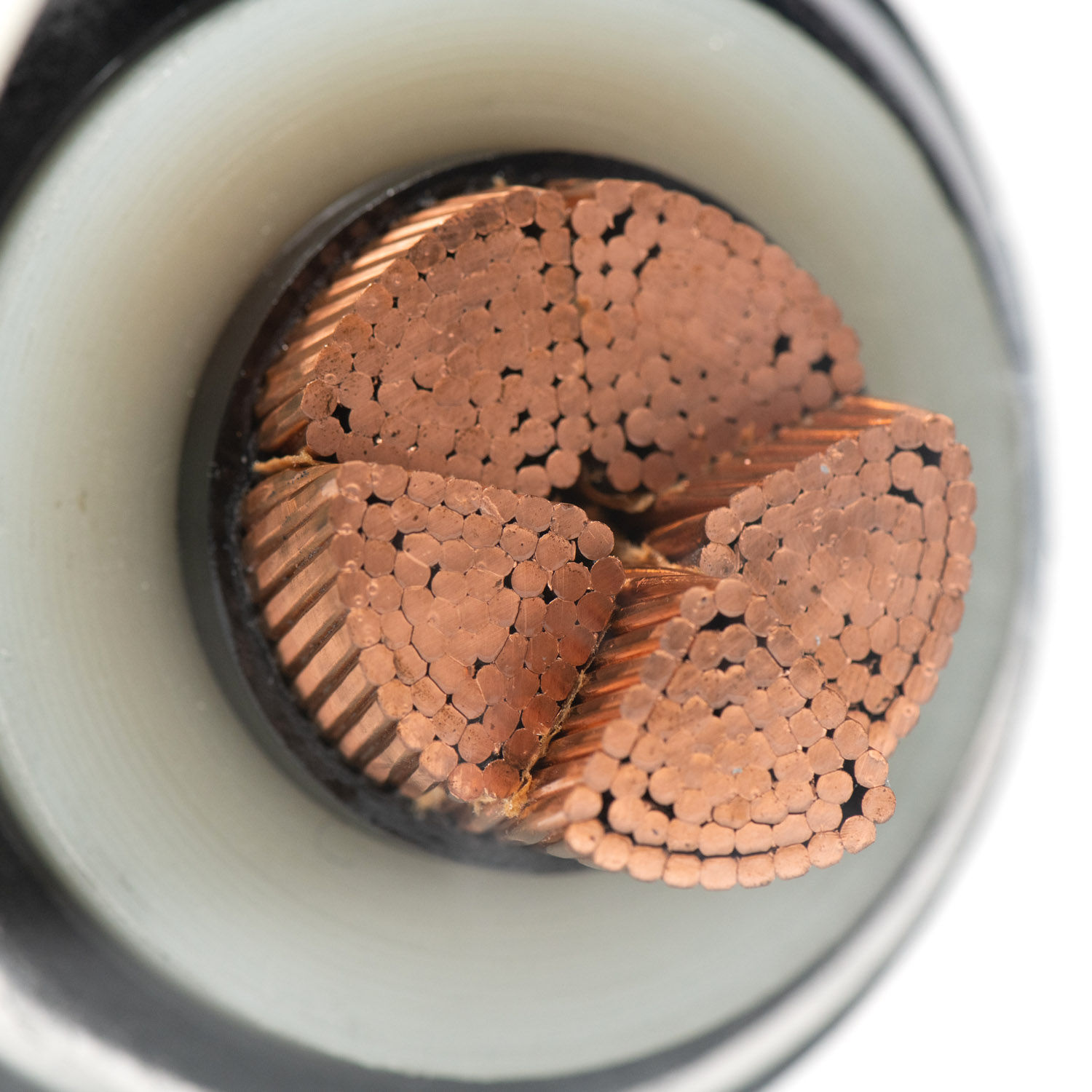
For example, 4E’s MV XLPE power cable range covers 1kV to 36kV applications, with 6kV and 6/10(12)kV options, and includes construction layers such as conductor screen, XLPE/EPR insulation, insulation screen, metallic shield, and outer sheath. That kind of layered structure shows why voltage class, insulation design, and protection layers become engineering variables in medium-voltage projects rather than simple product labels.
Once the voltage class is clear, conductor selection becomes the next major decision. Copper and aluminum differ in conductivity, weight, installation handling, termination requirements, and cost structure. Cross-sectional area affects ampacity, voltage drop, thermal margin, pulling force, and cable weight, so it should be selected from the load profile and route length, not only from what is already in stock.
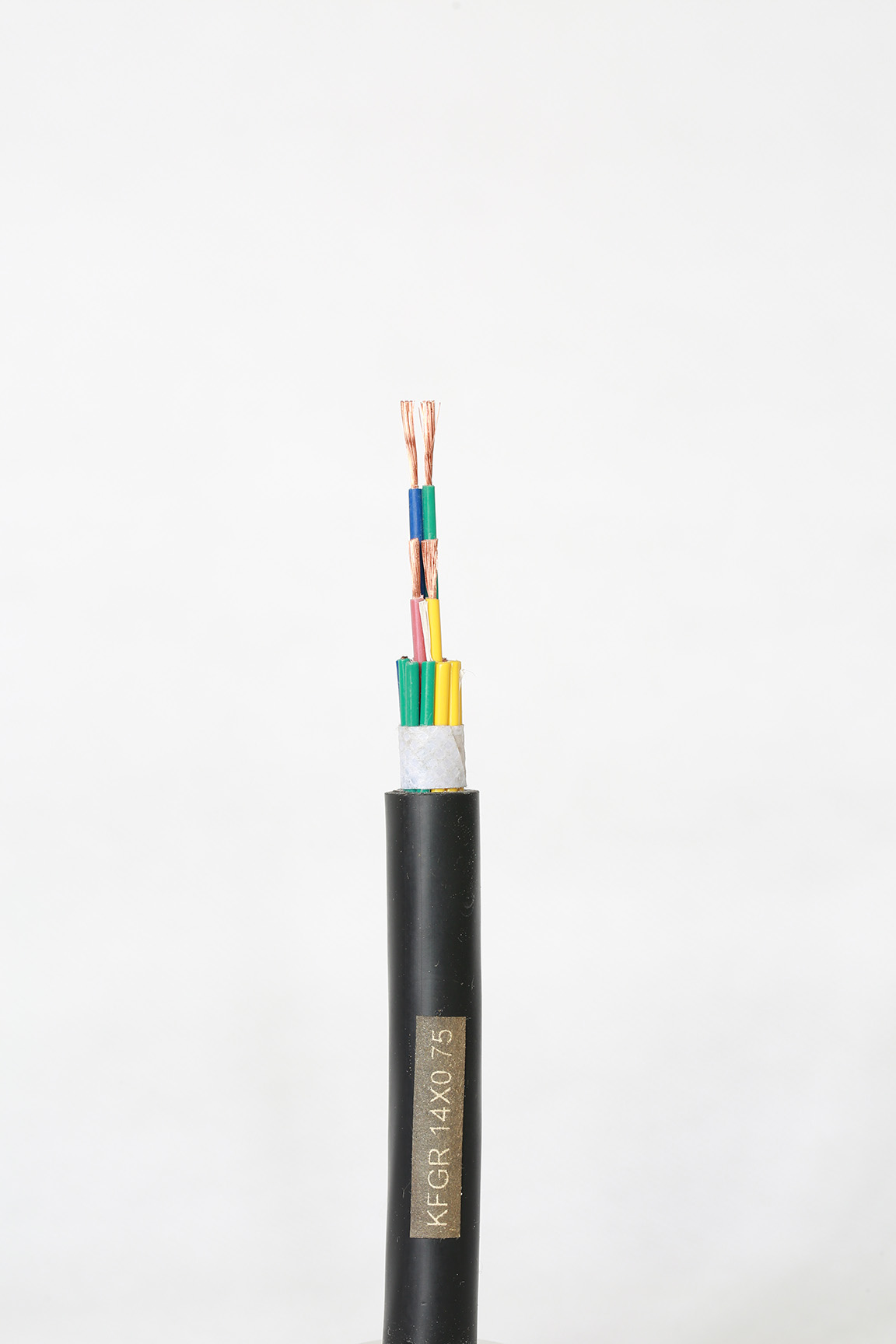
Core arrangement also matters. Single-core cables may suit some high-current or installation-specific layouts, while three-core cables can simplify other distribution routes. Future load growth, allowable voltage drop, tray capacity, bending radius, and termination space can all push the engineer toward a non-standard configuration.
4E’s MV cable options include Cu/Al conductor choices and a 25–630 mm² cross-section range, which makes them a useful example of where conductor material and size become part of the specification conversation. Used correctly, Custom Power Cables can help balance current capacity, installation practicality, and future operating margin without simply oversizing everything.
Engineering factor | Standard cable is usually enough when… | Custom cable should be evaluated when… |
Voltage rating | The system matches a common stock voltage class | MV duty, insulation design, or fault level needs closer review |
Load current | Ampacity and derating are comfortably covered | Current, heat, or future load margin is tight |
Voltage drop | Run length is short or routine | Long routes require optimized conductor sizing |
Conductor size | Standard cross-sections fit the design | Weight, losses, or termination space must be balanced |
Short-circuit duty | Fault level is within standard limits | Higher withstand or documented testing is required |
Installation margin | Route and bending are simple | Pulling length, drum size, or bend radius affects feasibility |
A cable route can change the correct construction even when the electrical duty looks straightforward. Direct burial, underground ducts, trays, tunnels, substations, workshops, and industrial plants expose cables to different combinations of crushing force, pulling tension, abrasion, moisture, chemicals, and accidental impact. Ignoring these conditions can lead to sheath damage, insulation stress, water ingress, or premature failure.
Armor and sheath choices should follow the route risk. A direct-buried section may justify steel wire armor or tape armor, while a protected tray route may not need the same level of mechanical reinforcement. Metallic shielding, PVC, LSZH, HDPE, and moisture-resistant sheath options all serve different purposes, so the best design is the one that removes the actual route hazard without adding unnecessary weight or stiffness.
A 4E MV cable configuration can include armored or unarmored designs, with sheath materials such as PVC, LSZH, and HDPE, as well as performance features linked to moisture, chemicals, UV, abrasion, and fire behavior. These details show why Custom Power Cables should be specified from the installation route backward, not only from the electrical single-line diagram.
Overhead distribution and grid reinforcement projects require another type of judgment. Pole loading, conductor spacing, sag, safety clearance, wind exposure, tree contact, maintenance access, and public-area safety can matter as much as conductor ampacity. A standard conductor may carry the load electrically, yet still create challenges in spacing, installation speed, or long-term outdoor reliability.
Aerial bundled conductors are a good example of this different logic. Instead of treating each conductor as a separate bare line, bundled overhead designs can combine insulated phase conductors with neutral or messenger elements in a compact arrangement. For rural electrification, urban upgrades, industrial parks, railway areas, and airport distribution networks, the cable’s geometry and insulation concept can become part of the reliability strategy.
Environmental exposure often separates a suitable cable from a risky one. UV radiation, moisture, salt spray, high or low temperature, chemical contact, vibration, and long outdoor service life can all change the correct insulation or sheath material. A cable that performs well in a dry indoor plant room may not be appropriate for a coastal route, open solar site, tunnel, desert installation, or high-humidity industrial zone.
Material selection should therefore follow the exposure profile. XLPE can support strong electrical and thermal performance, HDPE may be useful where toughness and moisture resistance are important, and LSZH or flame-retardant materials may be required where smoke and fire behavior matter. Weather-resistant compounds, UV-stabilized sheaths, and sealed construction can be more important than simply matching voltage and current on paper.
Safety and compliance requirements can also justify a custom design. A project may require IEC, HD, ASTM, AS/NZS, NBR, GOST, or regional utility standards, along with test reports, traceability records, factory documentation, and approval drawings. In critical infrastructure, the missing document can be as disruptive as the wrong material, because acceptance, energization, or inspection may depend on verified compliance.
A standard catalog cable may meet a general standard while still failing a specific project requirement. The issue could be sheath material, smoke performance, conductor class, insulation thickness, regional approval, fire behavior, or the absence of required test evidence. Engineers should confirm not only whether a cable is “standard compliant,” but whether it is compliant with the exact standard edition, installation code, and project specification.
For MV projects, common references may include IEC 60502, IEC 60228, IEC 60332, and IEC 61034, depending on the region and application. In overhead systems, references such as HD 626 and ASTM B231 may also appear in project requirements. Custom Power Cables are often the practical route when the technical design and the documentation package must be aligned from the start.
Cable price per meter is only one part of the cost decision. A standard cable may look cheaper at procurement, but excess length, adapters, oversized construction, difficult pulling, repeated maintenance, overheating risk, downtime, and premature replacement can raise the total installed cost. The more critical the system, the more important this broader calculation becomes.
A better-fit cable can reduce weak points by matching the conductor size, sheath type, armor, route length, and installation method more closely. It may also simplify pulling, reduce unnecessary joints, improve tray organization, and lower the chance of environmental damage. In power distribution systems where downtime has operational consequences, Custom Power Cables can be justified by improved reliability and reduced maintenance exposure.
Standard cables still have a clear place in electrical projects. Routine indoor systems, common voltage and current ratings, mild environments, short routes, urgent maintenance replacement, prototype work, and projects with ordinary documentation requirements often benefit from stock availability. In those cases, a standard cable can reduce procurement time and avoid unnecessary design review.
Custom design adds lead time, technical coordination, manufacturing planning, approval review, and sometimes minimum order considerations. If a standard cable meets the electrical duty, route conditions, environmental exposure, and compliance requirements without compromise, choosing it is sound engineering. Custom Power Cables should be selected when they solve a defined technical or economic problem, not because they sound more advanced.
A useful custom cable inquiry starts with complete electrical data. Engineers should define the voltage rating, system type, load current, short-circuit level, conductor material, cross-sectional area, number of cores, insulation type, metallic screen or shield, armor type, sheath material, and required standards. Without these details, quotations often become vague and difficult to compare.
The electrical data should also reflect future operating expectations. Planned load growth, derating conditions, ambient temperature, grouping with other cables, and allowable voltage drop can all change the final conductor size or insulation choice. When these inputs are missing, the supplier may quote a cable that matches the visible request but not the real duty.
Clear input also reduces redesign later. A drawing or data sheet that fixes only voltage and length leaves too much room for assumptions. For Custom Power Cables, early clarity allows the manufacturer and engineering team to discuss the trade-offs before production rather than after the cable reaches site.
Installation data is just as important as electrical data. Route type, installation method, pulling length, bending radius, drum length, burial depth, duct or tray limits, overhead span, pole arrangement, temperature range, UV exposure, moisture, chemicals, salt spray, vibration, and expected service life should be included in the request. These details help determine whether the design needs armor, special sheath material, bundled construction, or outdoor-rated insulation.
For overhead projects, bundle configuration, neutral messenger requirements, conductor spacing, sag, and local weather exposure should be reviewed early. For underground or industrial routes, mechanical protection, sheath toughness, water resistance, and termination compatibility are more likely to control the specification. 4E’s ABC customization options include cross-sectional area, bundle configuration, insulation material, voltage rating, outer sheath color, and special environmental requirements, which shows the type of information that can shape a custom cable request.
The more precise the installation data, the easier it is to avoid unnecessary overbuilding. A supplier can only optimize the design when the application is clearly described. Well-prepared information helps Custom Power Cables become a controlled engineering solution rather than a broad request for “something stronger.”
Standard cables make sense when the electrical duty, route conditions, environment, schedule, and approval requirements are already well defined by common specifications. Custom Power Cables become more valuable when engineers need to control voltage performance, conductor sizing, mechanical protection, environmental durability, documentation, or long-term operating cost without forcing compromises into the design.
East Energy Electrical Engineering Co., Ltd. supports this type of project evaluation through power cable and cable accessory solutions for different voltage levels and application conditions. For engineers, the practical value is clearer specification, easier installation planning, and cable construction that better matches the real demands of the system.
A: Choose Custom Power Cables when standard options cannot meet voltage duty, current capacity, route conditions, environmental exposure, safety documentation, or long-term reliability requirements.
A: Yes. Standard cables work well when ratings, route length, installation environment, and compliance needs are common, predictable, and fully covered by available stock specifications.
A: Engineers should define voltage rating, load current, short-circuit level, conductor size, insulation, sheath material, armor, route type, environmental exposure, and applicable standards.
A: They often have higher upfront costs, but may reduce hidden costs from downtime, difficult installation, excess cable length, premature failure, or unsuitable protection.
A: Direct burial, overhead distribution, coastal areas, tunnels, substations, renewable sites, and industrial plants may require stronger sheathing, UV resistance, moisture protection, or mechanical reinforcement.